|
Philippines, 28 Jul 2026 |
Home >> News |  |
|
||||
|
|
|
|
Round 12: Without Promoters there is no Boxing By Mauricio Sulaimán PhilBoxing.com Wed, 25 Mar 2026 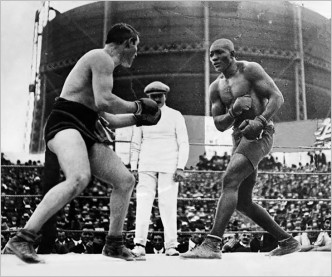 Boxing is the only sport where absolute control by a single entity—be it a league, association, or federation—does not exist. In almost every other sport, there is a governing body that dictates everything, beginning with the business model itself. These organizations create the master operational plan, sell franchises (teams), negotiate and manage television rights, sponsorships, ticket sales, and any income generated by events, while establishing the revenue distribution structure.  This is how the NFL works for American football; the NBA for basketball; MLB for baseball; the NHL for hockey; and even the UFC for mixed martial arts or WWE for professional wrestling. Similarly, this model is emulated by every country in their respective leagues— Boxing has always been a massively popular sport, one of the most attractive to fans. In its infancy, it was like the Wild West: a person or a group of partners would decide to put on a fight, tickets were sold, and two men stepped into the ring to see who won. There was little to no regulation, heavy gambling involved, and very few sporting rules. 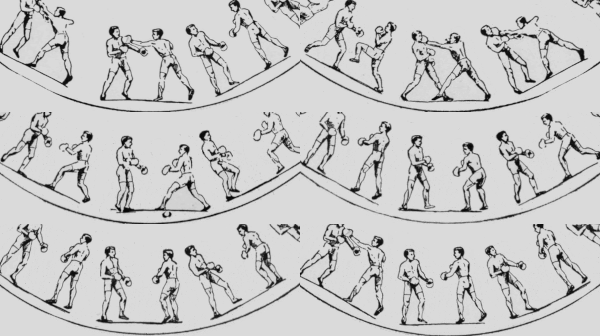 As the years passed, it became better organized in certain regions. National federations and state boxing commissions were established; basic boxing rules were created, along with rudimentary medical exams, such as taking vital signs and checking eyes and throats. Boxing cards packed stadiums and arenas around the world. There was a massive following, and the World Heavyweight Champion was known by all of humanity, considered the most powerful man on the planet. The 1940s and 50s were marked by a dark cloud due to multiple allegations of mafia presence and claims of fixed fights in Chicago and New York. This left an indelible mark on our sport; to this day, some people naively believe and insist that boxing is “fixed.”To close this topic, I can assure you that boxing is the cleanest sport and that it is practically impossible for a fighter to “sell out.” Their pride simply won’t allow it. Returning home defeated, facing their family and their neighborhood as a loser, matters more than any amount of money they could be offered. There is no evidence of fixed fights, plain and simple. The WBC was born in 1963, establishing how boxing should be managed to avoid any conflict of interest. This ensured that the rulings made by the organization would not be influenced by financial gain or acts of corruption. The organization handles everything regarding the sporting, medical, and administrative aspects, while the business side is entirely separate and is in absolute control of the promoters.  The boxing promoter is solely responsible for organizing the events. They must rent the arena or stadium; negotiate with managers and agents to contract the boxers to fill the cards; secure the television network for the broadcast; manage hotels, travel logistics, and ground transportation; organize pre-fight events such as press conferences, public workouts, weigh-ins, medical exams, and anti-doping tests. They also handle promotion and advertising plans, sponsors, ticket sales, and compliance with the guidelines of the local boxing commission, the requirements of the WBC or any other involved body, local government permits, and a multitude of other tasks. At the end of the event, there are revenues and expenses; they either make profit or lose money. The promoter’s labor is often undervalued or even forgotten, but I can assure you of one thing: WITHOUT PROMOTERS, THERE IS NO BOXING. 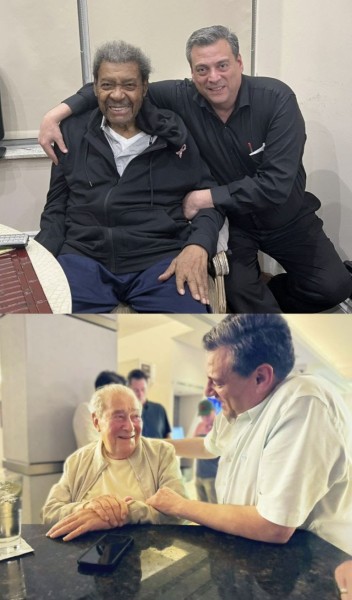 There are promoters all over the world. In every country, there are modest promoters putting on local shows; this is where the vast majority of future superstars begin. Manny Pacquiao started in very humble shows in the Philippines; Chávez, “Canelo,” and all the Mexican greats started “rancheando” fighting in very small-town, humble fights are popularly called this way. All those promoters are boxing heroes, yet they live in anonymity and, for the most part, in poverty. The next level consists of promoters who have greater resources and contacts. They hold regular events in established arenas and possess the power to sell tickets, secure sponsorships, and even obtain television broadcasts. This is where the prospects who started in the small towns arrive and begin to be seen at local, national, and even international levels. 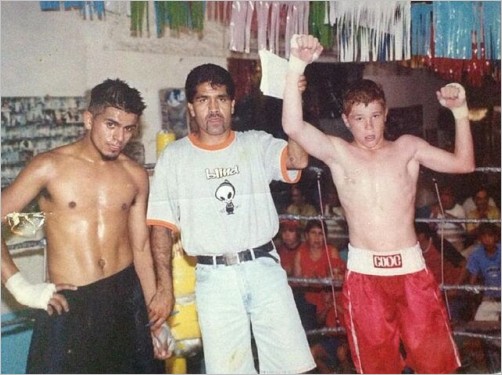 Then come the elite promoters—those who hold contracts with major television networks that grant them dates to stage international-caliber cards. These cards feature championship fights and are held in cities that are major hubs for significant bouts. From these shows, the “mega-cards” are programmed featuring boxers who already have international recognition. Today, we see with great joy that the world’s major promoters are working together for the good of boxing. I congratulate Matchroom, TGB, Golden Boy, Top Rank, Teiken, Queensberry, Sampson, Zanfer, Box Latino, BXSTRS, Eye of the Tiger, Boxxer, Arena Promotions, OPI Since 81, Golden gloves and a great list of many more promoters who are, for the first time in history, all on the same page, working for the benefit of boxing and the boxers. 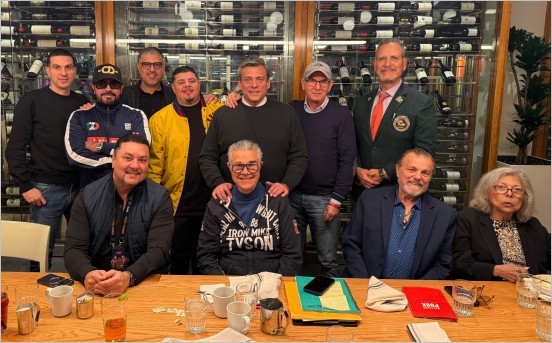 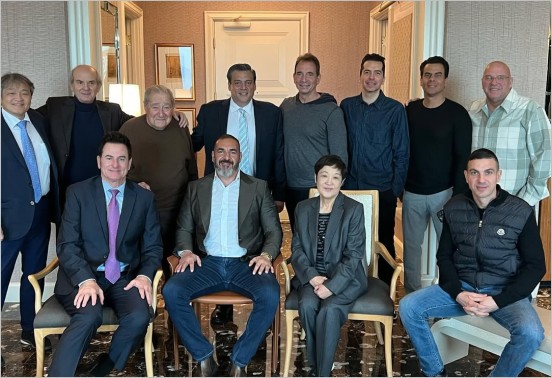 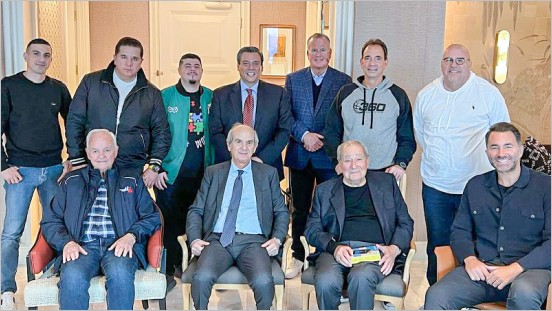 Did you know…? George Parnassus was a great boxing promoter of Greek origin who controlled boxing in California. He was the one who identified the great value of Mexican boxing and initiated opportunities for legendary fighters to achieve international fame, including Ratón Macías, “Púas” Olivares, Mantequilla Nápoles, Chucho Castillo, and dozens of others. 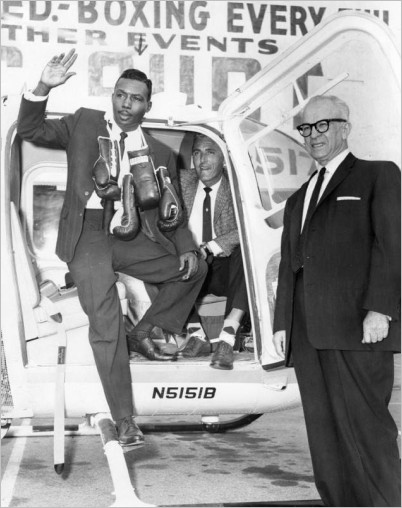 Today’s Anecdote… Don King will always be considered the greatest promoter in the history of boxing—a man who came out of prison during the horrendous years of racism in his country and the world, without a penny to his name. My father used to say: “My son, I admire Don like only a few others. He dedicated his years in prison to studying and cultivating his mind. Upon his release, he found a way to redeem himself before society and managed to convince Muhammad Ali to fight in order to save a hospital for people of color that the government was going to close. He came up with the ‘hair standing up’ look and became more famous than many of the fighters. He had brutal wit and imagination to create stories around the matches to make them attractive to the fans. He always put on competitive fights, and on every Don King card, there were 3, 4, or even 5 world championship bouts.” 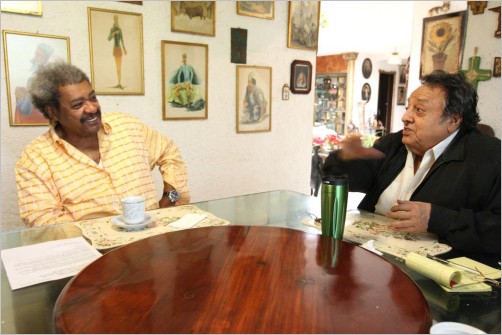 I welcome your comments at contact@wbcboxing.com Click here to view a list of other articles written by Mauricio Sulaimán.  |
|
|
PhilBoxing.com has been created to support every aspiring Filipino boxer and the Philippine boxing scene in general. Please send comments to feedback@philboxing.com |
PRIVATE POLICY | LEGAL DISCLAIMER
developed and maintained by dong secuya © 2026 philboxing.com. |