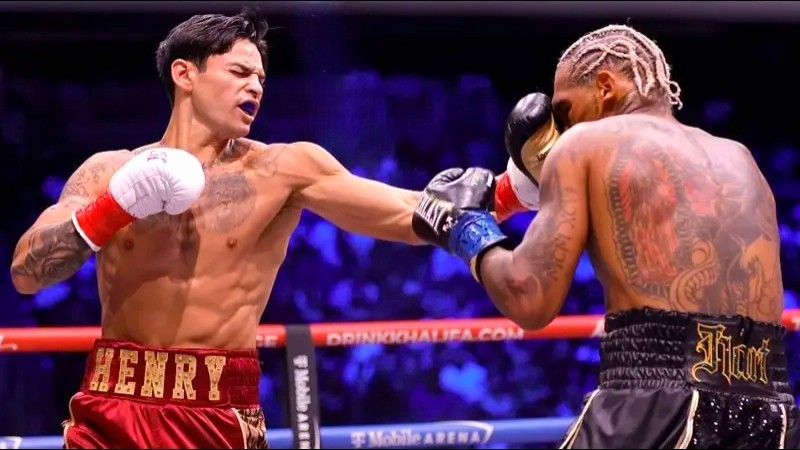
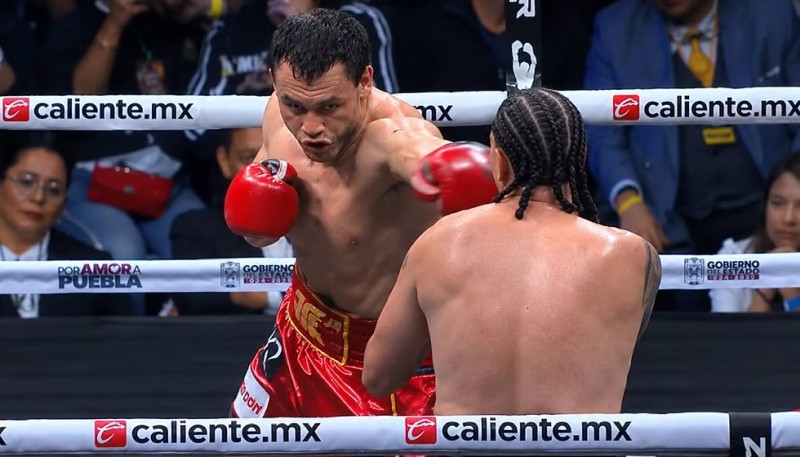
?Now two clever men really do not inflict half the punishment upon each other that the spectators and the public at large believe??
Boxing in the 19th century was a sport that was tactically archaic compared to its 20th century successor. The ?sweet science? wasn?t what too many would call ?sweet? around the birth of the gloved era. Fights were a torrid and messy affair and all sorts of wild punches were a frequent aspect of most fights during this time.
?Gentleman? Jim Corbett was one of the sports earliest ?scientific? fighters and ushered in a new era of boxing. His ability to avoid his opponent?s blows, feint his way inside and use his feet to win fights was something that most fighters had not seen the likes of.
Corbett is seen as one of the forefathers of modern boxing. He learnt his craft from Walter Watson at San Francisco?s Olympic Club and his middle-class upbringing surely played a part in his ?style? of fighting, which was measured and cerebral, something that was new to a sport where most fighters were mostly known for their toughness.
Corbett?s career started with a win over Frank Smith in 1886 and whilst he was never to have a prolific career in terms of the number of fights he had, his mark on the sport of boxing is indelible.
Peter Jackson was the grandson of a freed slave and was born in The West Indies before travelling to Australia as a young boy. He would learn to fight whilst living in Sydney, Australia under the tutelage of Larry Foley, who had fought the legendary Jem Mace on numerous occasions.
He would have his first fight in 1882 and his career was one that could be, arguably, despite the fact that he never got his chance to fight for the world?s title, considered greater than the short career of Corbett.
Jackson was also a fighter who was well ahead of his time when it came to his ?scientific? methods of fighting. His ?piston like? jab was a weapon many an opponent would come to know all too well as Jackson was more than happy to use his reach advantage in the ring.
Jackson and Corbett?s paths would be forever linked when they fought on the 21st of May in 1891.
The fight itself was a gruelling 61 rounds and one that many contemporary sources claimed to be a less than stellar affair.
Sydney?s Referee, thanks to a letter from a correspondent at the fight, described it as such in its headline to the fight report on June 24, 1891:
?Sixty two rounds of the tamest fighting ever shown by big men.?
Whilst the headline was far from flattering, the writer went on to praise the cleverness of the fighters whilst showing obvious disdain for their lack of vim, a sure sign of the times, which called for all-out brawling as boxing?s main virtue.
?As a display of really clever boxing it has never been surpassed, while as a sample of fighting, such as is looked for among men claiming championship honors, it was a disappointment of the deepest dye. Corbett is a ringster of consummate skill, but his cleverness lies in the avoiding of blows more than in the delivery of them. Sydney-ites don?t require to be told that the man who can keep Jackson?s left hand out of his face must needs to be clever, and Corbett ducked from Peter?s loads in as pretty a fashion as anyone versed in boxing would desire to see.?
Such a description of boxing wouldn?t be out of place if part of a write-up on a boxer such as Floyd Mayweather, who is seen as a modern-day master of defensive tactics, but in 1891 such a thing was seen as an affront to the pride that was a part of fighting men everywhere.
Another aspect of the fight that points to it being a serious indication of the changing tides of pugilism was seen in The Los Angeles Herald on May 22, 1891 when the fitness of the fighters was explained in detail.
?The condition of the men was all that could be desired. They had trained hard and carefully, and it was the opinion of all who saw them that neither of the men had ever before been in better form.?
It was not uncommon for men to train for fights in the late 19th century but rarely were their men of the ilk of Corbett and to a lesser extent Jackson when it came to fitness and preparation for a contest.
Corbett?s training regimes for his bouts were legendary and ahead of his time. Such training is something that to this day is the staple of prizefighters everywhere. Rarely do we see a fighter on today?s big stage win a bout if he is without the proper preparation.
The result of the fight, along with the length is more a testament to each fighter?s ability to not get hit than any contest of ?toughness? and the fight is one that paved the way for boxers to become smarter in the way in which they conducted their business in the ring. Fighting to one?s strengths has become a vital component of modern boxing and something that both these men had played a big part in introducing to the sport.
Jackson, in an article entitled, ?Peter Jackson?s Views, The Champion Pugilist on Boxing,? best sums up the change in the fight game when it appeared in the Sydney Evening News on August 26, 1893, more than two years after the first fight and at a time when Jackson had attempted on many occasions to gain a rematch with the now champion Corbett.
?I want to say in conclusion that boxing contests now governed by club rules are not brutal. A man perfectly trained and in the best possible health, with a physique as rugged as a rock, seldom, if ever, nowadays suffers long lasting injuries from the result of a bruising battle in the ring.?
He went on to say that the tactics and craftsmanship we see all too often in modern boxing had become a mainstay in the sport, even as early as the late 1800s.
?With the development of fistic science the cruelty of the sport has passed away. Now two clever men really do not inflict half the punishment upon each other that the spectators and the public at large believe. The force of many a blow which lands is broken by its recipient shifting his head or body when he perceives that the blow cannot be avoided.?
Such a statement on the lessening brutality and increasing shrewdness of fighters, whilst not shared by all in the sport, is a real insight into the mind of a prizefighter such as Jackson.
This kind of ?softening? of punches is something that is common in modern-day boxing and the style of fighting that both Jackson and Corbett displayed in their epic battle is to be remembered for its impact on the ever changing methods of boxing in the early gloved era.
Corbett and Jackson went on to fight only a handful of times after their fight in 1891 and whilst Corbett won the heavyweight world title his reign was short-lived. Jackson would never again get the chance to fight ?Gentleman? Jim and with many of the world?s best boxers happy to draw the color line he would never get his chance to be called the world?s best, but like Corbett his style would be lauded as forever changing to the landscape that was professional prize fighting in the late 1800s.
The ?sweet science? had been born and to this day it?s still considered to be one of the most important virtues that boxing has seen thanks to these two old-timers who brought about boxing?s scientific revolution.