Stephen King?s blockbuster novel, 11/22/63, came out in trade paperback this month. I picked it up, read it, and enjoyed almost all 842 pages of it. Why ?almost?? Because on a few of those pages, King does boxing a disservice.
The novel is about Jake Epping, a high-school English teacher who goes back in time from 2011 to try to prevent the November 22, 1963 assassination of U.S. President John F. Kennedy. The problem is, Epping lands in September of 1958. So he needs to live through five years of the past before he can try to stop Lee Harvey Oswald from shooting Kennedy as the president?s motorcade sweeps through Dallas, Texas.
To help finance his sojourn in the past, Epping places bets on certain sports events, the outcome of which he already knows. One such event is the Pittsburgh Pirates? improbable World Series win over the New York Yankees in 1960. Another is Chateauguay?s 1963 victory in the Kentucky Derby.
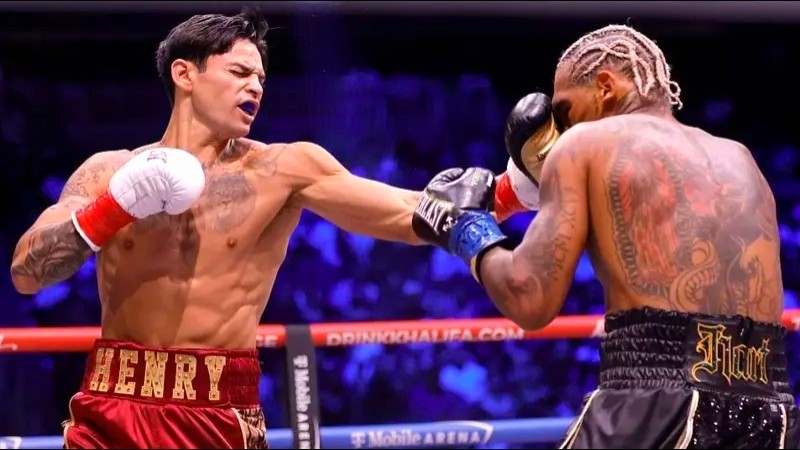
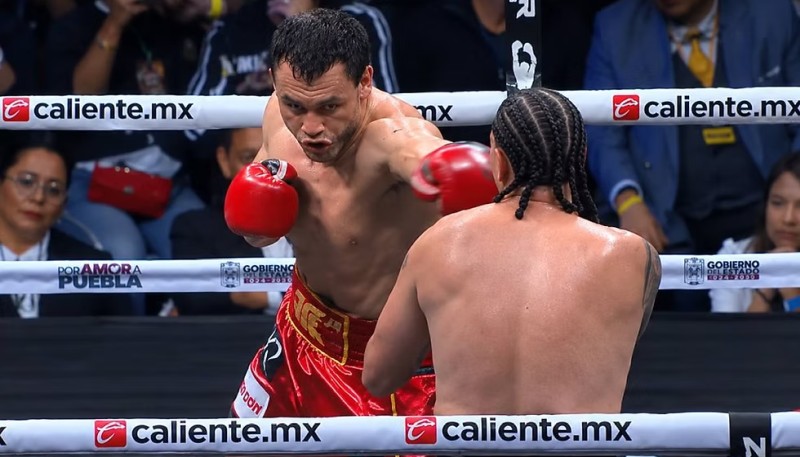
Yet another 1963 sports contest, which is pivotal to the plot, is over-the-hill boxer Tom Case?s upset fifth-round knockout of ? Dick Tiger.
That one left me scratching my head in puzzlement. The Pirates? and Chateauguay?s wins are real enough. You can look ?em up. Part of the strength of the novel is King?s adherence to historical detail.
But you can?t look up Case?s defeat of Tiger. No such fight ever occurred, because there?s no such fighter as Tom Case. King made him up to create a plot point that gets Epping into deep, deep trouble and threatens his mission to prevent the Kennedy tragedy.
As boxing fans know, the late Dick Tiger, who hailed from Nigeria, was real. Although King presents him as a rising contender in 1963, in fact Tiger was the middleweight champion of the world for most of that year. Tiger had won the title from Gene Fullmer in 1962. Dick held him to a draw in February of 1963. In the August rubber match, Tiger stopped Fullmer in seven rounds. Joey Giardello outpointed Tiger in December to take the Nigerian?s crown. Tiger regained the crown from Giardello two years later. He lost it again to Emile Griffith in 1966, but then moved up in weight to take the light-heavyweight title from Jose Torres.
Tiger was not the kind of guy to get zonked by an opponent who was way past his prime. Certainly not in 1963.
King knows his baseball inside-out. His research into the milieu of American life in the late 1950s and early ?60s, and into the minutiae of the Kennedy assassination, is meticulous. That?s why, when I got to the part about the Case-Tiger fight, my first thought was: ?Whoa, is this a Dick Tiger fight I missed?? Of course it wasn?t, but I still felt the need to consult Boxrec.com to make sure.
Like Tom Case, Jake Epping is a fictional character, and King can make them whatever he wants them to be. Dick Tiger is not a fictional character, and there was no need for King to misrepresent him.
Having said that, the Case-Tiger bout is just a loose thread in a hugely complex novel that is also a pulse-pounding page-turner that will send the reader racing through it to the end. But if you?re a boxing fan, be prepared to encounter a speed bump along the way.