Every time sports columnist, writers and his own propagandists refer to world junior featherweight champion Nonito Donaire, Jr. as a ?Great Filipino fighter,? I cannot help but ask myself what the true meaning of boxing greatness is.
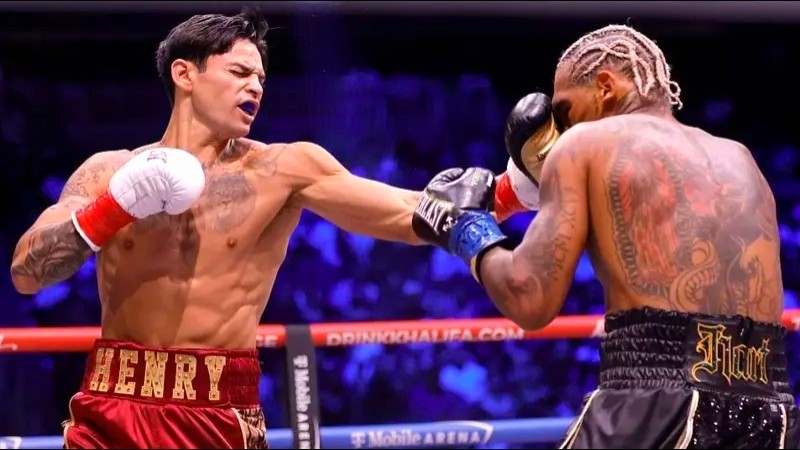
There is no question that Donaire Jr. has displayed outstanding boxing skills in the short period of time that he stepped into the limelight following his sensational knockout victory over the brash-talking Australian Vic Darchinyan.
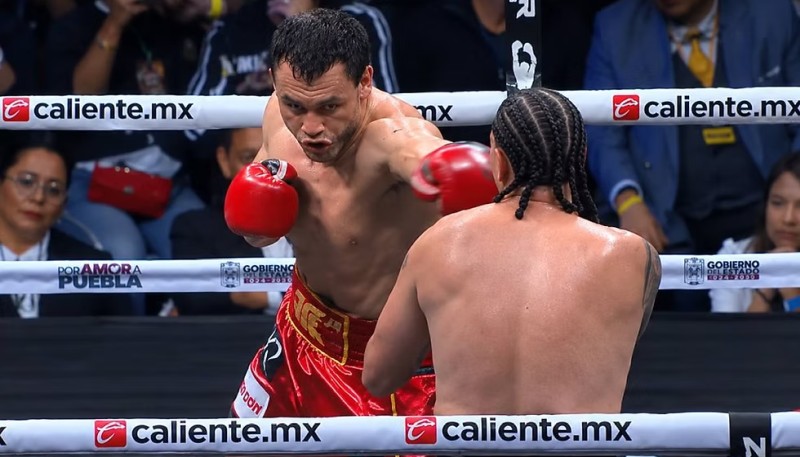
Add to that the incredible ?epileptic? knockout of Mexican Fernando Montiel.
But to call him ?Great? at this point in his career would be a distortion of the true meaning of Greatness and a dishonor to the three brown fighters who I consider to be the Greatest Filipino Boxers of All Time: Francisco Gilledo, aka Pancho Villa, Gabriel ?Flash? Elorde and Emmanuel ?Manny? Pacquiao.
Indeed, the Philippines, almost 90 years after Pancho Villa won the first world boxing title in 1923, has produced a long list of boxing champions. No one among these world boxing champions, aside from the three whose names I have mentioned earlier, would however come near the criteria of ?Greatness? that I have set.
Ceferino Garcia, the only middleweight champion from the Philippines, Little Dado, Small Montana, Roberto Garcia, Rene Barrientos, Erbito Salavarria, Rolando Navarrete, Dodie Boy Pe?alosa, Bobby Berna, Frank Cedeno, Gerry Pe?alosa, Tacy Macalos, Morris East, Rolando Pascua and the other flash in the pan champions were without doubt outstanding and talented fighters.
In this group, I would pick out the Pe?alosa brothers as a notch higher than the others in terms of achievement and impact on the sport in the country, but still they would not qualify in an honest to goodness definition of ?Greatness.?
Even the current world boxing champions?Donnie Nietes, Brian Viloria, Sonny Boy Jaro and Donaire Jr. himself?would still be a full yardstick short of ?Greatness.?
And just what made Pancho Villa, Flash Elorde and Manny Pacquiao stand out from the rest of the Filipino boxing champions and assume the honorary title of Greatest Filipino Boxers?
Pancho Villa became a world boxing champion, the Philippines? first, at the time when the Filipino nation was rising out of 300 years of colonization by Spain and trying to define their identity as a people.
There was nothing more symbolic of the Filipino?s desire to make a statement on his presence in the world stage than Pancho Villa?s thrashing of Jimmy Wilde in a 7th round knockout victory in the Polo Grounds in New York City on June 18, 1923 to win the World Flyweight title.
Victory after victory, even against much bigger opponents, the 5′ 1″ Pancho Villa showed to the world what a ?Little Brown Doll? could do in the sport of boxing.
American media reports described Pancho Villa as a gentleman fighter who always went back to his corner whenever he knocked down his opponent. This was an exceptional display of sportsmanship because in those days, fighters were not required to go to the neutral corner in case of a knockdown.
According to newspaper accounts, the people of Manila, sparsely populated in those years, came out in droves to welcome Pancho Villa when he came home.
After fighting twice in the Philippines, including a title defense against Clever Sencio on May 2, 1925, Villa went back to the United States and died from an infection of an ulcerated tooth after losing a 10 round fight against the 5′ 6″ tall Jimmy Mclarnin who later became a world welterweight champion.
The nation grieved and a sea of humanity joined the funeral march to the Manila Cemetery.
The greatness of Pancho Villa is rooted in his impact on the search for identity of a fledgling nation and on the popularity of the sport in the Philippines. He was also remarkable in the sense that he fought twice monthly during his brief reign as world champion against the best, sometimes even bigger, opponents.
Today, almost 90 years after his death, Pancho Villa is remembered more than the flash in the pan champions of modern day Philippine boxing.
The greatness of Gabriel ?Flash? Elorde and Manny Pacquiao is beyond question and there is no need to remind people about it.
Inside and outside the ring, both Elorde and Pacquiao have displayed demeanor and character that endeared them to the Filipino nation and their following was and is not only limited to boxing fans.
Elorde, a former bootblack from Bogo, Cebu, exemplified the struggle of the poor Filipino to rise up from the squalor to achieve fame and fortune through hard work.
Pacquiao, a street kid who grew up in a broken family, survived the trials and hardships early in life to become a great boxer and sportsman who could stand alongside boxing greats like Muhammad Ali.
Indeed, both Elorde and Pacquiao have their frailties as human beings, but their humility in and outside the ring has so fascinated their huge following that they are being made as the yardsticks for how sports heroes should carry themselves.
The admiration for Elorde was shown by the busloads of people who would arrive at the Araneta Center a full day ahead of his fights. These were the same people who would explode every time Elorde scored a knockdown in a crescendo that would be heard even in as far as Marikina.
Pacquiao?s followers, like Elorde?s would gather at the gymnasium as early as the morning of the fight day while his American fans would travel from as far as Canada to watch his fights in Las Vegas.
Have we witnessed the same adulation for Donaire, Viloria, Nietes, Jaro and the other modern day Filipino boxing champions?
Perhaps, the highest standard set by both Elorde and Pacquiao was in the area of how they embraced their family members and held on to them even in the pinnacle of success.
Pacquiao stands out in this area as he sought out his father who abandoned him and his siblings when he was young. After he won the championship and earned enough money, he sought out his father and showed him the love of a child.
This could not be said of Donaire who until today is still estranged from his family even after a much publicized reconciliation following an ugly public spat over money matters.
Greatness as a sportsman is not only defined by the skills and talents displayed inside the ring.
The more difficult criteria for greatness are the impact of the sportsman?s exploits on the nation and his character which could make him a model for young people to emulate.
Nonito Donaire Jr. still has a lot to do in the last two criteria to earn the honorary title of ?Boxing Great.?
Until then, Donaire Jr. will just remain and skilful and talented boxer who continues to chase his dream of ?Greatness? in and out of the ring.