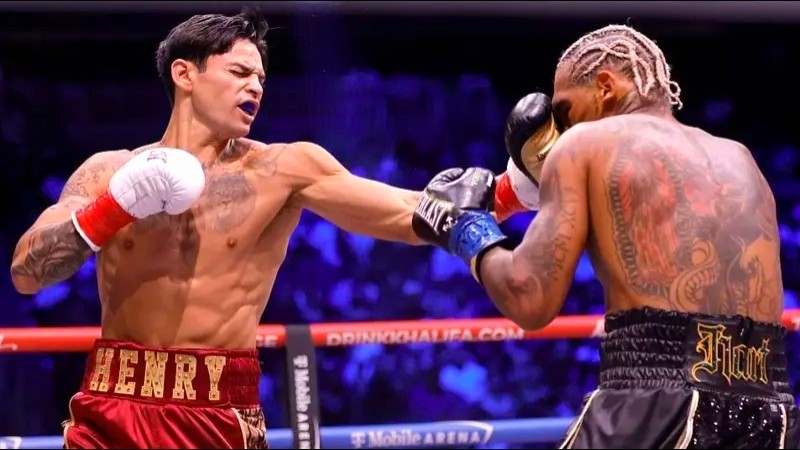
It?s not so much that the Pacman has scored close to the stature of world junior lightweight champion Gabriel ?Flash? Elorde. It?s another time and boxing is now inclusive, even the housemaids gave up their free day to stay home and watch TV the other Sunday (screaming almost to death on the third round).
Pacquiao has done wonders in the lightweight arena the world over but in his time, media has also gone a long way, too, to improve on the splash and shine of sports news so that any tidbit now could get ?banner? interest. And part of his winning spin is the inspiration he gets from millions of his countrymen watching his moves.
When the first man walked on the moon in 1969, live coverage via satellite reached Manila the first time and the city stood still at noon. There was no traffic, no adult was out in the streets, perhaps only the children were out on their beat in playgrounds or the home yards. Everyone else was up in the house or in offices, watching the live coverage. But that was man?s first big step outside Earth.
During the ?Thrilla in Manila? fight at the Araneta Coliseum in 1975 between Muhammad Ali and Joe Frazier, boxing fans were there, or watched TV, but women didn?t know how to take it. Here was this office girl who asked, ?Who won?? She was told it was Ali, and that she should watch the replay in the evening after office. ?I will! And I hope Frazier wins this time, he looks like a nice guy.?
The event promised much, especially as news of it was spiced with Ali?s taunts, like ?It?s gonna be a chilla, a killa and a thrilla!?
Many watched the fight where Frazier?s mouthpiece was knocked out of his mouth, where he asked for another round from the 13th round, an eye already shut out of swelling, both eyes dimming. Ali fell on the canvas just before the announcement of his victory.
Of course, that was when the Araneta Coliseum was the biggest one in Asia (is it, still?)
It?s more so these days, especially when Pacquiao is in a fight. Besides his feat, it has something to do with connectedness enhanced by a sense of patriotism as the world grows smaller and the neighbors get closer, the competition in any endeavor growing keener. In Bogohanon Elorde?s time in the ?60s, this connectedness wasn?t fully developed and, even not so in first Filipino international boxing champion Pancho Villa?s time in the 1920s.
How much do you know of Elorde? Or did you ever see him fight or was it ever covered by TV? Few know what Elorde did; he was born in his time.
Sure, he won 87 fights, doing 33 KOs, knocking out Harold Gomes of the United States in 1960 and held the title as WBC junior lightweight champion for 7 years and 3 months. Some years later in the 1990s, he was inducted into the International Boxing Hall of Fame in New York, the first Asian in the list.
But few know this today. You don?t know this as much as you know all about the Pacman, including his girl (other than his wife) and his singing. And so you?re trying to get into the rhythm of the boxing lingo to feel ?in,? although not quite.
When we?d say a boxer hit until the opponent fell, that would be ?he sent him on the seat of his pants? or ?sent him to the canvas.? In the old days, you ?threw a punch? but now it?s ?connect a punch.? You have the ?right-left-jab-straight combination.? (Whatever does this mean?)
A fighter could be a bleeder, causing nasty cuts here and there in the opponent, making him bleed. He who gets no cuts is one who ?weaves? expertly, evading punches, moving away or off the track of punches.
Jabs are light punches to test, to size up the enemy. You have the wily right-left jab, and what else. Or left, straight right, left hooks. (What?s that?)
Punches thrown are the punches; they could come in flurries leading to a knock down, best with an uppercut straight combination.
There are the clinches, or the beautiful upward punches, or that power punch ?which swings from the shoulder with his (the fighter?s) left elbow bent, bringing his fist from the side toward the center.? (How?s that again?) Ouch.