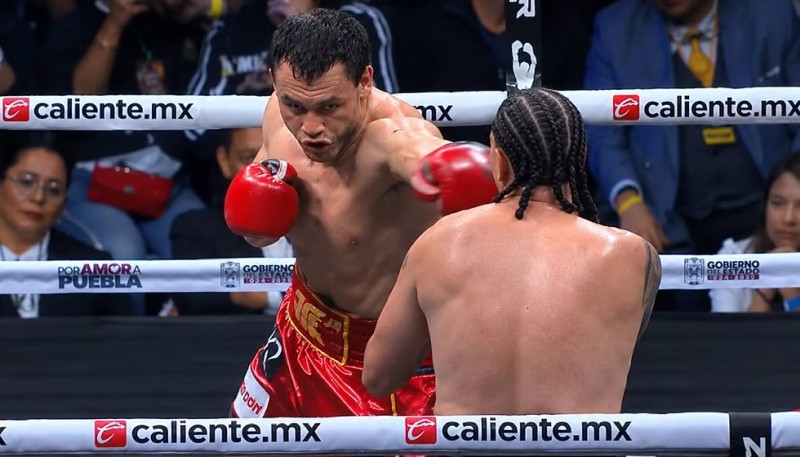
The TV remote must have changed channels more than a hundred times last Sunday.
While the whole nation was glued to the Pacquiao fight, I was also closely following the Australian Golf Open where Tiger Woods was contending. It was the final round and it has been sometime since Tiger threatened the leaderboard. Alas, two bogeys on the back nine cost him the chance to prove he is now back.
At the same time, the Barclays Singapore Open, the richest purse in Asian golf, was playing out with Juvic Pagunsan making a charge. Juvic, considered the hottest Filipino player nowadays, was just one behind the Spaniard leader Gonzalo Fernandez-Castano with one hole to play.
With superb putting on the par 5 last hole, he willed a birdie in and was tied for the lead coming to the clubhouse. Gonzalo at that point just drove his ball in the water and needed a par to force a playoff. Miraculously, he also holed a long putt to tie the Filipino golfer.
Gonzalo won the playoff the following day, courtesy of a birdie on the second playoff hole. Nevertheless, Juvic can console himself with the $666,000-plus prize money, and a first place in the Asian Order of Merit race.
While watching all this, I wondered whether Tiger the billionaire still cares about the prize money (certainly he cares a lot about the win) and the taxes that will be deducted from any winnings.
For our Filipino sportsmen, like Pacquiao and Juvic, certainly tax is still a concern as it takes a big toll on their earnings. This is especially onerous on the part of the golfer since a boxer gets paid the contracted amount (think of about $25 million for Pacman) whether he wins or loses the fight; the golfer goes home empty-handed if he misses the cut, or unable to play during the last two days (golf tournaments are usually played from Thursday to Sunday).
How are our sports heroes abroad taxed?
International tax principles provide that the primary taxation of income derived by a sportsman is attributed to the State of the place of performance which is considered to be the State of source.
Accordingly, income by these star athletes is generally taxable in the place where they traded jabs or swung their golf clubs.
How they are taxed depends on the domestic law of the State of source.
Most countries in the world provide that income derived from sources within their jurisdiction is taxed therein. They specify the rate and how it will be computed, like whether exemptions may be availed or if the taxable income may be reduced by certain deductions.
A Filipino boxer like Pacquiao gets taxed in the US at a rate of 30%. This is usually withheld before he receives his share in the fight purse. The same is true with the golfer?s winnings abroad — it will be reduced by withholding before it gets credited to his bank account.
The long arm of the Taxman does not stop there.
As Philippine residents, sportsmen are taxable on all income derived from sources within and without the Philippines. This means that whether they earn their money from boxing in Las Vegas or golfing in Sentosa, the winnings are still to be taxed here. It is in this aspect that these star athletes are similar to ordinary mortals like you and me.
One may think that with the foreign country imposing taxes on the winnings and the Philippines still taxing the same on the basis of the Filipino sportsman?s worldwide income, that the income may be taxed twice, resulting in what is referred to in international law as double taxation.
This may be true and could be alleviated by certain tax treaties in place as they provide a framework for elimination of double taxation or relief therefrom. Also, how the income sourced and already taxed abroad is relieved from double taxation is further addressed in our own Tax Code. In general, one may claim as credit the taxes paid in the foreign country against the Philippines taxes due as computed.
The premise of the foreign tax credit provision is that it will not offset the Philippine tax on Philippine-sourced income. Hence, our rules provide a limitation that insures that foreign tax credit offset only the Philippine tax on income earned from abroad.
Paying the correct amount of taxes on foreign-sourced income and again declaring it for tax purposes here in the Philippines are no mean feat, even for our sports superstars. A mistake can cost them more than their ego. That is why they have accountants and lawyers who do these for them.
Now, if I can only swing my club like Juvic or have Pacman?s power in my left uppercut. Never mind if I do not get to have my face on the front-page news.
The author is a director at the Tax Services Department of Isla Lipana & Co., the Philippine member firm of the PricewaterhouseCoopers global network. Readers may send inquiries or other feedback to the author via e-mail at [email protected].