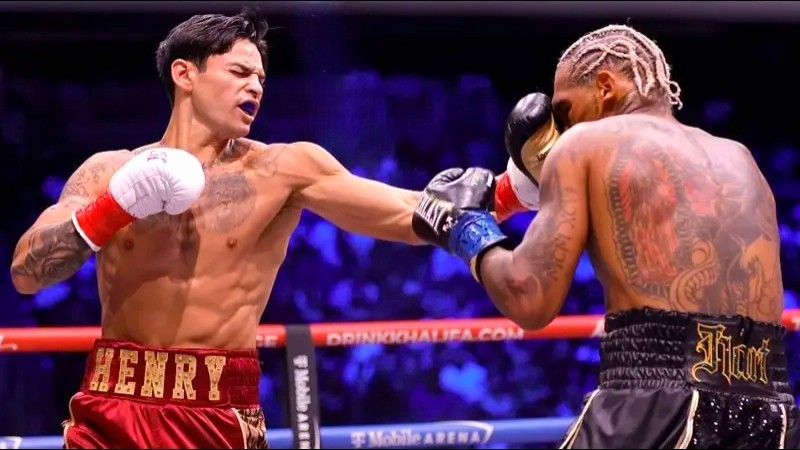
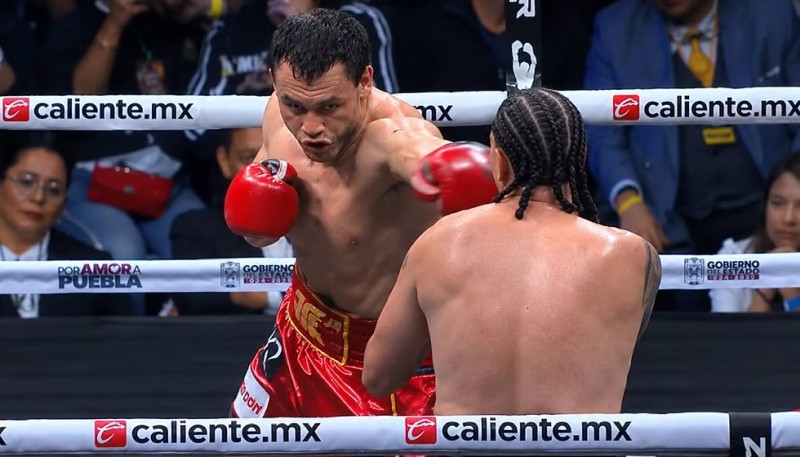
Dr. Patricio Reyes, a University of the Philippines (UP) College of Medicine alumnus and tennis buff, sent word through a good friend Dory Katigbak, that the Medical Conference of the American Association of Professional Ringside Physicians and the UP College of Medicine Department of Neurosciences are organizing an international symposium on ?Boxing and the Brain: Evaluation and Management of Head and Neck Injuries? to be held on Dec. 3-4 at the Diamond Hotel. Reyes says that proceeds from the program will be used to establish the first Asian Brain Bank at the UP College of Medicine and the Philippine General Hospital. The symposium is the first of its kind in the Philippines and Asia.
The specific convention topics to be discussed by world-renowned experts are Understanding Brain Structure and Function; Pathophysiology of Brain Injury; Pre-Fight Examination and Laboratory Tests; Neuroimaging and other Diagnostic Studies; the Good Ringside Physician: Tips and Pitfalls; Bone Fractures: Detection and Management; Neurocognitive Assessment of Athletes; Caring for Retired Athletes; Sports Injuries in the Philippines; Boxing Regulations in the Philippines and the Benefits of Monalaurin to Brain health.
Speakers include, among others, Dr. Joseph Estwanik, orthopedic surgeon from North Carolina; Dr. Dominic Colleta, emergency medicine physician from New Jersey; Reyes, Fil-Am neurologist and neuropathologist practicing in Minnesota; and internist Dr. Ray Monsell from England.
I?m certain that the position taken by groups like the British Medical Association (BMA) will surface in the symposium. The BMA position is very simple: since the early 1980?s, the organization has called for a total ban on amateur and professional boxing in the United Kingdom which has produced the likes of heavyweight champion Lennox Lewis, Olympic silver medalist Amir Khan (light welterweight), Ricky Hatton (light welterweight, welterweight), Jimmy Wilde (flyweight), Ken Buchanan (lightweight) and Randy Turpin (middleweight).
In article called ? Boxing ? The BMA?s Position?, the organization said that as a first step, there should be a ban on children below the age of consent from boxing.
The BMS says that its opposition to boxing is based on medical evidence that reveals the risk not only of acute injury but also of chronic brain damage which is sustained cumulatively in those who survive a career in boxing. It may take many years before boxers and ex-boxers find out they are suffering from brain damage. The BMA says the Secretary of State at the Department of Culture, Media and Sport has called for an independent inquiry into these risks.
In 1993, the BMA?s report, ?The Boxing Debate?, found no evidence to suggest that boxing was any safer in the 1990?s than it was when the BMA began its campaign in the 1980?s.
In a new report, ?Boxing, an Update from the Board of Science? (Sept. 2007), the BMA extends its call for a complete ban on amateur and professional boxing to include mixed martial arts (MMA) competitions.
The BMA emphasizes that in 1991, 11 national medical associations added their voice to the opposition to boxing, and expressed their concerns regarding the dangers of boxing believing that ultimately it should cease to exist. The medical associations stated that modern medical technology demonstrates beyond doubt that chronic brain damage is caused by the recurrent blows to the head experienced by all boxers, amateur and professional alike. ?As long as it is legal to hit an opponent above the neck, there are no safety precautions which can be taken to prevent this damage.?
In 2005, the World Medical Association (WMA) stated that ?Boxing is a dangerous sport. Unlike most other sports, its basic intent is to produce bodily harm in the opponent. Boxing can result in death and produce an alarming incidence of chronic brain injury. For this reason, the WMA recommends that boxing be banned.?
About.com says that the American Association of Neurological Surgeons report that 90 percent of boxers sustain a brain injury. Boxing may account for fewer deaths than some other sports but the number of boxers suffering brain damage are believed to be much higher than recorded.
Certainly, there is strong opposition to banning boxing anywhere, including the Philippines. The rags-to-riches stories of Gabriel ?Flash? Elorde and Manny Pacquiao further emphasize that sport, particularly boxing, offers opportunities for upward economic and social mobility. Boxing has become the great leveler because success in sports allowed impoverished youth to get out of what looked like hopelessly dead-end situations.
The symposium has for its overall chair, Dr Gerardo Legaspi and overall co-chair, Dr. Carissa Paz Dioquino who says that the conference is open not only to physicians but also to managers of athletes and other sports groups interested in understanding head and neck injuries in sports. Online registration is available through the following link: www.bbraunphils.com/boxingand the brain/.