NO guts, no glory—and no cash too.
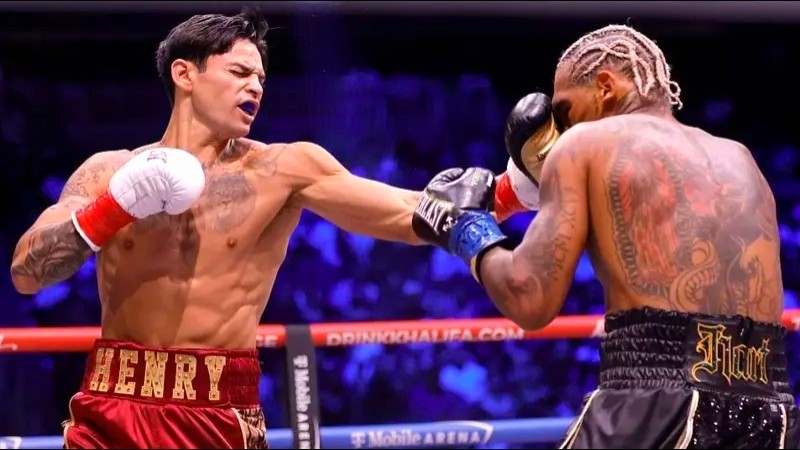
Manny Pacquiao knows that all too well. So sometime last week, he rewarded himself with a Porsche Cayenne—a “supercar for a superfighter” as one daily cleverly put it—two weeks before he faces Erik Morales in a rematch at Las Vegas, Nevada.
Of course, it doesn’t hurt Pacquiao to buy a car that’s worth around $50,000 when he knows a $2-million (P106-million) payday is coming January 21, when he faces off with Morales anew at the Thomas and Mack Center in the “Sin City.”
Meanwhile, we can only guess what billiards legend Efren “Bata” Reyes has done with the P14.8 million he earned last year from tournaments around the world. Certainly his latest victories owe some to his eyesight being restored to 20-20 after laser surgery. What have the medalists in the recent 23rd Southeast Asian Games bought with their cash incentives totaling almost P20 million for helping the country take the overall title in the biennial sportsfest for the first time?
The top Filipino athletes are awash with cash these days, and we congratulate them. They deserve more praise for jobs well done, and we urge them to enjoy the honor and the money. We also urge them to think of the future, when their bodies can no longer endure the rigors of practice or the weight of age.
That’s because for every Manny Pacquiao, who has probably amassed well over P200 million in the last few years, there are athletes like Rolando Navarette, the “Bad Boy from Dadiangas.” A former world champion boxer who lost his earnings on hedonist pursuits, Navarette, now 46, gets financial aid, ironically, from Pacquiao—a boy who grew up idolizing him in General Santos City, their hometown.
Besides “PacMan,” Filipino athletes could learn entrepreneurship from Rafael “Paeng” Nepomuceno, the four-time World Cup champion who has parlayed his success into the bowling alleys bearing his name scattered across the country, and “Bata” Reyes, who has quietly put up a chain of pool halls first in his native Angeles City in Pampanga and in other cities.
We have not mentioned the other star athletes who have gone on to get good jobs, including coaching. But most of them have had the advantage of getting college degrees, while some athletes, especially boxers, have barely finished high school.
Sportsmen who save up for the future and become successful are good role models to a younger generation—athletes or not—who may not know what to do with large cash prizes, or their lifetime earnings.
Above all, we want to read and hear good stories about our athletes, heroes to the young, amid our daily worries—even if we are a little envious of Manny Pacquiao, who’s now driving his supercar in Los Angeles, speeding toward brighter lights and bigger dreams.