A native tree species is being promoted as reforestation material in Southern Mindanao. Rue Ramas, a livewire do-gooder in General Santos City, has just informed us that she has distributed 500 seedlings of the Manny Pacquiao Tree to students of the Ramon Magsaysay Memorial High School, courtesy of Sagittarius Mines which is propagating thousands of seedlings of this indigenous species. Each student will plant one tree.
Ramas said that this is just the beginning. She will be doing the same to many other educational institutions. And this could go on and on as there is a project being undertaken by SMI to produce at least one million forest tree seedlings to be given free to interested individuals, such as the members of the Plant a Tree Movement.
(By the way, Ramas is also the lady behind the development of the cornhusk industry. This is a project she started in 2003 involving housewives and out-of-school youth in crafting various products out of cornhusk. The products include dolls of different kinds, flowers, slippers, bags, hats, hand-made paper, home decors, toys, mats, corporate giveaways and tokens. This has become some sort of a cottage industry which is benefiting a lot of families today.)
The Manny Pacquiao Tree, botanically called Bischofia javanica, is an ideal indigenous species for reforestation, according to Jose “Butch” Sebua, a forestry graduate from Los Ba?os who is the social and environment superintendent of SMI.
For one, the Pacquiao tree is a fast grower and is also resistant to drought. It produces a lot of seeds every year, hence the supply of seedlings is assured. The seeds are very easy to germinate, too. Butch adds that the Pacquiao Tree is a favorite sanctuary of bats. Bats are important in maintaining ecological balance. They are often responsible for the dispersal of plant seeds.
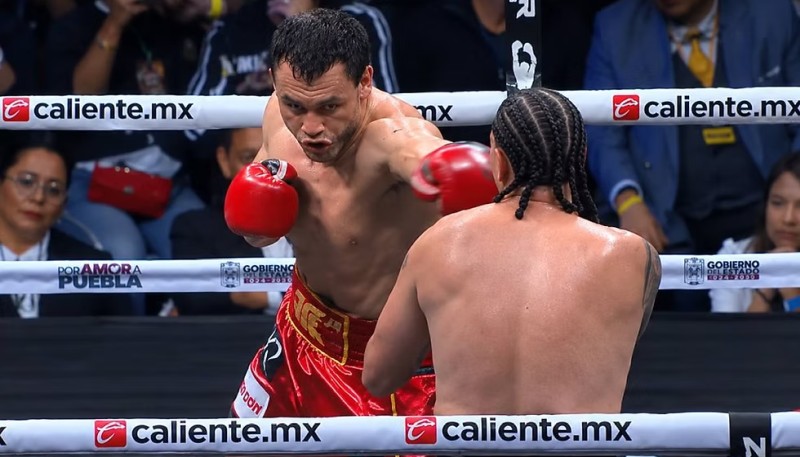
The Manny Pacquiao Tree was named in honor of the boxing icon after a previous bloody fight with Eric Morales of Mexico.
By the way, SMI is collecting many native species of forest trees and propagating them in its nursery in Brgy. Liberty in Tampakan, South Cotabato. So far, Butch said, they have in their collection a total of 42 native species. The company plans to develop a showcase of these native species in a 50-hectare reforestation project in South Cotabato.
Among the interesting species being multiplied is what is locally called Lokinai, a rare tree that is endemic to the Philippines, meaning it is only found in the Philippines. It is also often referred to as Philippine cedar. Its wood is fragrant and is ideal for furniture making.
Igem is another native species that excites Butch Sebua. It is a softwood that is found growing in higher elevations. It is good for furniture as well as paneling material.
Also being propagated in big numbers at the SMI nursery is a native santol which produces small inedible fruits but it produces excellent lumber.