Tim Ryan peered into the viewfinder of his brand new Minolta camera as a black rhino stared back roughly 30 feet away in southern Zimbabwe brush.
The enormous ears of the Volkswagen bus sized rhino shot up as Ryan pressed the autofocus button. The eyes of the 2,500-pound beast rested intently on Ryan, a television sports broadcaster in Africa filming a wildlife segment on CBS Sports.
There were three men with Ryan that day: an African tracker, a cameraman, and Clive Stockil, the owner of the private game ranch bordering the Sabi River.
Stockil was the only one of them armed, but had told the men previously that he would not fire his weapon if they found a rhino. Southern Africa in the 1980s and ?90s had been under continual threat from poachers, and rhino numbers were dwindling.
After about 10 seconds of staring, the rhino finally shot out of its stance and charged the four men, targeting Ryan.
As Ryan dove right, a single shot rang out. Stockil had fired his pistol into the ground at the last second to divert the rhino, which had not seriously injured the men as he rumbled past at full speed, leaving a cloud of dust and four men grateful to me alive.
Fifty-three years later, Ryan still looks back and marvels at this and many other experiences spent on six continents, paid for with the hefty expense account as a broadcast journalist. Those experiences have been chronicled in Ryan?s newly released memoir, ?On Someone Else’s Nickel: A Life in Television, Sports, and Travel.?
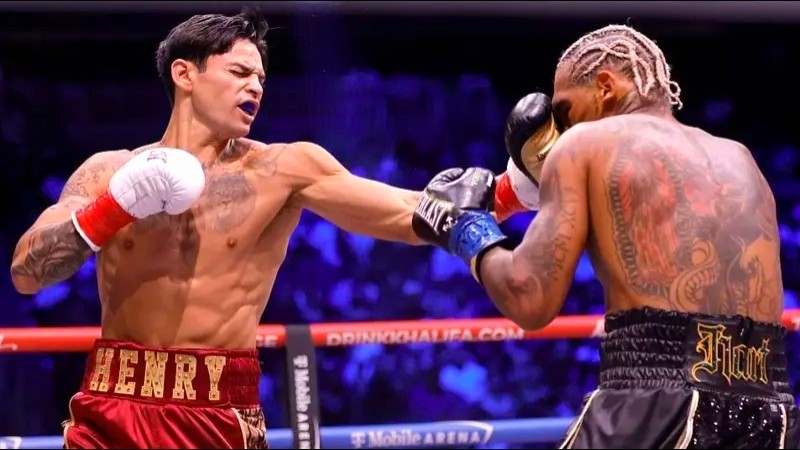
It was through boxing, a sport he became identified with in the 1970s and ?80s, that first took Ryan to Africa to cover Muhammad Ali. He was ringside at some of the most legendary fights of that era, including Ali-Frazer I from Madison Square Garden, Bowe-Holyfield II at Caesar?s Palace, Barry McGuigan’s fights in Belfast, James Scott’s bouts in Rahway Prison and the historic fights in South Africa that broke the color barrier in boxing.
Tim Ryan peered into the viewfinder of his brand new Minolta camera as a black rhino stared back roughly 30 feet away in southern Zimbabwe brush.
The enormous ears of the Volkswagen bus sized rhino shot up as Ryan pressed the autofocus button. The eyes of the 2,500-pound beast rested intently on Ryan, a television sports broadcaster in Africa filming a wildlife segment on CBS Sports.
There were three men with Ryan that day: an African tracker, a cameraman, and Clive Stockil, the owner of the private game ranch bordering the Sabi River.
Stockil was the only one of them armed, but had told the men previously that he would not fire his weapon if they found a rhino. Southern Africa in the 1980s and ?90s had been under continual threat from poachers, and rhino numbers were dwindling.
After about 10 seconds of staring, the rhino finally shot out of its stance and charged the four men, targeting Ryan.
As Ryan dove right, a single shot rang out. Stockil had fired his pistol into the ground at the last second to divert the rhino, which had not seriously injured the men as he rumbled past at full speed, leaving a cloud of dust and four men grateful to me alive.
Fifty-three years later, Ryan still looks back and marvels at this and many other experiences spent on six continents, paid for with the hefty expense account as a broadcast journalist. Those experiences have been chronicled in Ryan?s newly released memoir, ?On Someone Else’s Nickel: A Life in Television, Sports, and Travel.?
It was through boxing, a sport he became identified with in the 1970s and ?80s, that first took Ryan to Africa to cover Muhammad Ali. He was ringside at some of the most legendary fights of that era, including Ali-Frazer I from Madison Square Garden, Bowe-Holyfield II at Caesar?s Palace, Barry McGuigan’s fights in Belfast, James Scott’s bouts in Rahway Prison and the historic fights in South Africa that broke the color barrier in boxing.
As important as the events and athletes Ryan was covering, and the travel perks that came with it, were the places he was able to visit, which afforded him a life of learning about different cultures and cuisines, hearing different languages, and exploring different landscapes.
?Boxing, by the fact that we were travelling the world, gave me a chance to see a lot of place that I might not otherwise have gotten to, as did Olympic Games in later years.?
While on one of his many trips to Africa, Ryan became involved in the American Wildlife Group, and he later spent a month annually in Zaire and Zimbabwe and South Africa, learning about the people and the way of life, over a span of a decade.
?It was significant for me in both ways; both as a career and working point of view and the enjoyment of the sport and the people in it,? Ryan said. ?But as important or more important is it gave me a chance to see those part of the world and see other cultures and have some pretty nutty experiences.?
Among the experiences Ryan shares in his book, there is more than one near-death experience while traveling abroad, but there are also several lighthearted, amusing experiences. One of them is the time he and his fellow broadcast associates visited the steam baths in Budapest, and another experience in Belfast when their cab driver, a former member of the Irish Republican Army who took them to parts of the city that would have otherwise been off-limits to foreigners.
Ryan also writes about the eight years going back and forth between California and Switzerland, and gets personal about some of the dark years later in life, after the death of his wife, Lee.
?That was a difficult period of life, but none of us get through life with everything being perfect and exciting,? Ryan said. ?We have to expect there?s going to be some tough times, and I didn?t want to leave that out because that was a huge part of my personal life, obviously.?
Mostly, though, Ryan shares the experiences that he says he will remember about his career; the things folks who remember him from television don?t know about him, and the experiences some of his colleagues may have missed out on.
?It was a great learning experience, and it was as important to me as covering the events themselves that I was there for.
?I?ve always been somewhat disappointed in some of my colleagues who don?t take advantage of where they are. It?s often a new place in the world, and they can?t wait to get home, they eat McDonald?s and they?re annoyed that nobody speaks English.
?They?re missing out on the experience.?