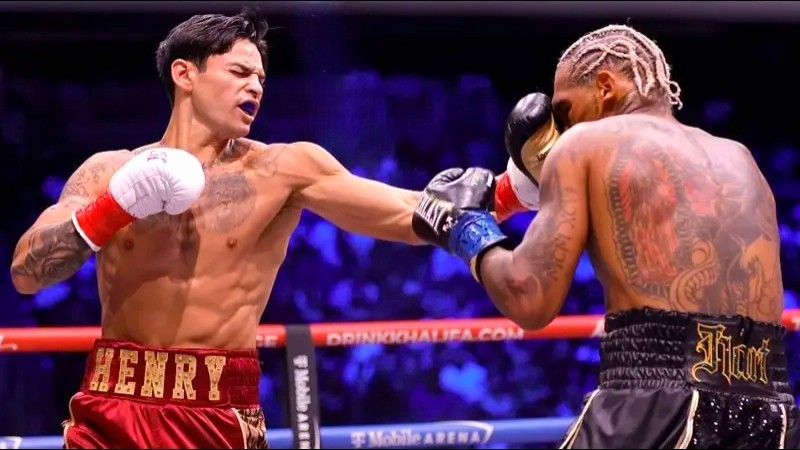
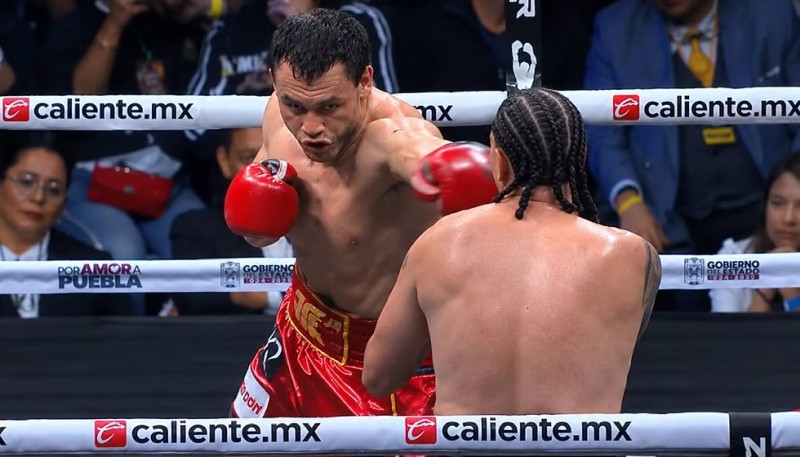
Is there anything worse after watching a big fight than the needless (and yet somehow totally predictable) complaining about judges? scorecards for something that wasn?t really all that controversial? Such was the case last week when Canelo Alvarez defeated Miguel Cotto at the MGM Grand in Las Vegas.
As the final bell tolled, fight fans expected to hear Alvarez announced the winner. Lo and behold: he was. Judges Dave Moretti, Burt Clements and John McKaie at ringside scored the bout 119-109, 118-110 and 117-111 for Alvarez.
Good job, fellas. The right guy one. Alvarez was clearly the harder puncher. His punches landed crisp and hard, and he moved Cotto around the ring at will. While Cotto boxed well and courageously, he pretty clearly did not win the fight.
Yet, there we were days after the fight, Alvarez?s biggest win and one of the more impressive outings by a young fighter in recent history, and there were people out there in the world complaining about the scorecards. Sigh.
Look, it?s one thing if you?re a huge Cotto fan or something. I get it. You watched your guy fight pretty well that night. He boxed up on his toes and threw more punches. And so your favoritism got the best of you. You scored a few rounds for Cotto that you probably shouldn?t have. It happens. We all do it.
But what about the rest of the post-fight complainers? What?s their excuse? Why are these people so indignant that their exact scorecards should overrule the three judges at ringside, especially when everyone who watches boxing knows the scoring system used to judge all professional prizefights is inherently flawed?
Not to pick on just one man, but let?s have ESPN.com?s Dan Rafael represent these vocal yet misguided complainers. By boxing media standards, after all, he?s famous. He can handle it.
?Bottom line,? tweeted Rafael after the fight. ?Canelo deserved the decision for sure. But no way that wide. NO WAY. Dave Moretti is a good judge who [had] an awful night.?
Here?s the problem with Rafael?s assessment: the 10-point must system will always lead to different scores that can both be correct and still completely different at the very same time. It?s not really all that difficult to understand.
Here?s how it works.
First, judges score each round independently from every other round. So while you, I and Rafael see a fight and can say at the end of it who we thought won the overall affair, the judges that night watch as many fights between the two men as there are number of rounds.
For Cotto-Canelo, that means judges Moretti, Clements and McKaie all watched 12 mini-battles on Saturday night and after each one awarded the winner of the three minutes 10 points and the loser of the three minutes 9 points. It doesn?t matter if one man just barely won a round or if he clearly won it. If he didn?t badly hurt his opponent and/or score a knockdown, he won the round 10-9. The same goes for the other guy. He may have gotten thumped for three straight minutes in one round and just barely in the next. Yet both rounds are scored the very same: 10-9.
The second part is simple math. Judge Moretti scored only Round 4 for Cotto. Clements gave Cotto only Round 2 and Round 9. McKaie gave Cotto Round 1, Round 4 and Round 6. See what happened there? The judges hardly agreed on anything, and there?s nothing really wrong with that. While Alvarez was clearly the better man on the night overall, there were several close rounds in the fight that could have been scored either way.
Without looking at the replay, let?s assume the judges were infallible in this fight. The discrepancy between the scorecards would therefore signify five close rounds in the fight, five rounds that could have been scored either way depending on a number of variables: Round 1, Round 2, Round 4, Round 8 and Round 9. Had any of the judges given Cotto every one of those close rounds, his score would have been turned in for Alvarez 115-113.
That score would have been perfectly fine, and still there would be a large group of complainers to argue the scorecards should have been much wider. ?I had it 119-109!? they?d scream. ?Those judges were wrong to score it that way! Blah, blah, blah, etc. etc. etc.?
It?s so stupid. Don?t be stupid.
The judges aren?t wrong. In fact, because of ab imperfect system that relies only on three judges sitting ringside on three different sides of the ring, where I assure you they cannot see nearly as well as the masses watching on their HD televisions at home can see, the judges are never really wrong about scores unless it?s absolutely clear at the end of things that one fighter was robbed over another.
And that?s happened before. The first Manny Pacquiao vs. Timothy Bradley fight was ridiculous. It was perfectly okay to complain about the two outliers at ringside who scored the fight for Bradley, giving him a split decision win. But had those two judges scored just a couple of rounds differently that night, a close fight would have been awarded to Pacquiao, and there would have been no reason to raise an eyebrow.
Why? Because despite all the variables, despite the flawed scoring system, the judges? obstructed views, the groupthink the telecasters brainwash everyone else with sometimes that the judges can?t hear, and every other little tidbit that makes judging fights an imperfect science?most notably that scoring fights is completely subjective?the right guy (Pacquiao) would have won the fight that night. And that should be all that matters.
Thankfully, the right guy won when Alvarez beat Cotto last week. Alvarez won the fight whether you saw it 115-113, or 119-109 or somewhere in-between. Unless you?re part of Cotto?s camp, a Cotto fan or just plain terrible at scoring fights, Alvarez won that fight.
So let?s not be silly about scorecards anymore. Complain when there?s a legitimate reason to complain. Don?t muddy the waters when there?s not. If the right guy wins on fight night, don?t get all bent out of shape about scorecards. It?s stupid. Don?t be stupid.