SONAHR: HALIFAX, Nova Scotia – September 6, 2015 – When Deontay Wilder wrested the WBC heavyweight crown via unanimous decision from the head of Bermane Stiverne this past January, Wilder?s victory appeared to be a breath of fresh air in the division. Not only was the Alabamian the first American-born fighter to hold a major heavyweight belt since 2007; he was also an undefeated, crowd-pleasing knockout artist. The Stiverne bout was his first to go the distance, so he had proven that he possessed stamina to go with his power.
However, as Wilder prepared for his second title defense later this month, his reign seems less a breath of fresh air than an echo ? an echo of the title tenure of Riddick Bowe more than 20 years ago.
Like Wilder, Bowe appeared to embody a new wave of heavyweights. His title-winning decision over Evander Holyfield was one of the greatest battles in heavyweight history (Wilder-Stiverne was not). But he squandered much of the goodwill stemming from the Holyfield fight by choosing undeserving challengers for his next two bouts.
His first defense was against Michael Dokes, who had briefly held the WBA title in the previous decade, and battled both mediocre opponents and drug addiction during his comeback. Dokes was obliterated in the first round.
Next came Jesse Ferguson, a journeyman who had scored an upset over high-ranking contender Ray Mercer. Against Bowe, however, Ferguson reverted to type and didn?t make it past the second round. Easy pickings for the champ ?
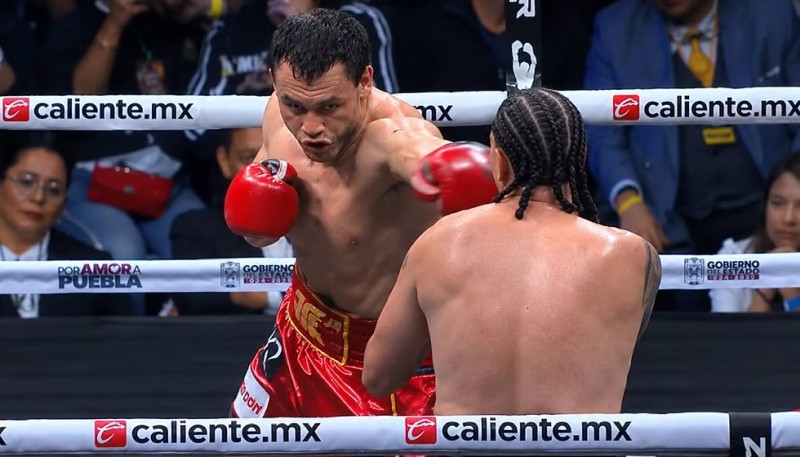
But the fighters in the opposite corner for Wilder?s first two defenses make Dokes and Ferguson look like kings of the ring. The unheralded Eric Molina served as Wilder?s first sacrificial lamb, going out in nine rounds. Next up is the even more-unknown Johaan Duhaupas, a 34-year-old Frenchman whose main claim to fame is a win over Manuel Charr ? the same Manuel Charr who was stopped in four rounds by Vitali Klitschko back in 2012.
A win over Wilder would land Duhaupas a spot next to Buster Douglas and Jim Braddock in the Upset Hall of Fame. Assuming that such a miracle does not occur, Wilder will await his chance to earn a trainload of money fighting the winner of the upcoming Wladimir Klitschko-Tyson Fury showdown.
Bowe was similarly marking time back in the 1990s, awaiting a superfight with archrival Lennox Lewis. In the meantime, he took a rematch with Holyfield ? and lost. That?s where the parallel ends. Most likely, Wilder?s braintrust will forgo a rematch with Stiverne. There?s no public demand for such a contest, as Stiverne did nothing in the first bout to indicate that he could win a second one.
Yet there?s always a chance that Wilder?s plans could derail. Not in his mismatch with Duhaupas, but with any number of vagaries in this unpredictable sport. He could be forced to fight a mandatory challenger before taking on Klitschko or Fury. He could re-injure the hand he hurt while fighting Stiverne. He could encounter financial setbacks or managerial/promotional problems.
Is Wilder indeed another Riddick Bowe? Well, for all his difficulties in and out of the ring, Bowe was elected to the International Boxing Hall of Fame earlier this year. Some day, Wilder might also be accorded a plaque at Canastota. But he doesn?t have to follow in Bowe?s footsteps to get there.
Charles R. Saunders is the author of several books including Sweat and Soul: The Saga of Black Boxers in the Maritimes from the Halifax Forum to Caesars Palace, as well as the Imaro series of fantasy/adventure novels. Considered by many to be one of the leading authorities on boxing in Canada, he is the current Vice-President of Boxing for the Society of North American Sports Historians and Researchers. His novels, Imaro, Damballa, and Abengoni: First Calling are available at Amazon.com.