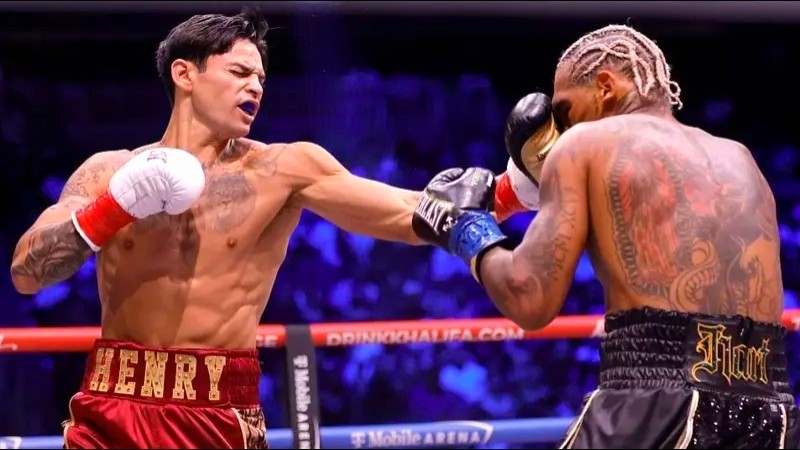
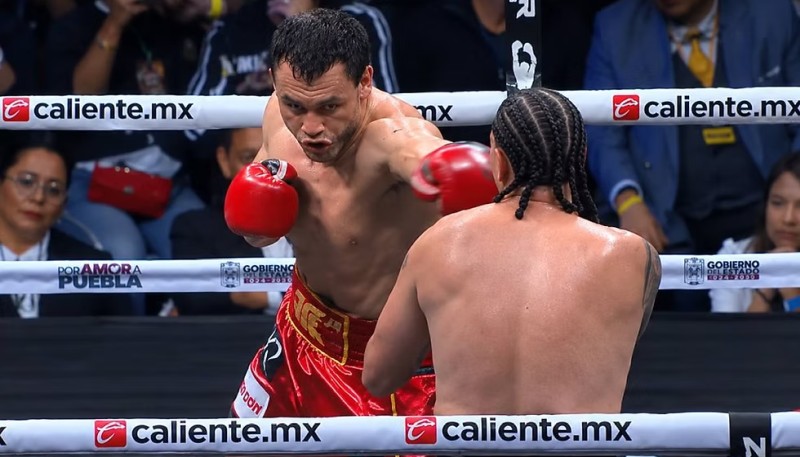
MANILA – His opponents fear him inside the ring, but Philippine boxing hero Manny “Pacman” Pacquiao does not leave his home on Mindanao without five armed bodyguards.
Pacquiao is contesting elections to the House of Representatives next week. So far, nearly 100 people have been killed, more than half of them politicians or candidates, in election-related violence. Pacquiao said he had received death threats which “came when I entered politics”.
Pacquiao, challenging a deeply entrenched political family in his hometown, said he was told there was a 100 million peso ($2.88 million) contract to assassinate him and prevent him from winning the congressional race in South Cotabato province.
National police chief Oscar Calderon says the level of violence is low compared with previous contests even if the shootings are expected to accelerate as election day on May 14 draws near.
So far, 95 people have been killed since campaigning started in January, including two gunned down last month when police acting as bodyguards for rival politicians exchanged fire at a road block. In the 2004 presidential elections, 189 people were killed and 279 wounded.
“Elections in the Philippines have always been violent,” said Benjamin Lim, political science professor at Ateneo de Manila University, adding mid-term polls were more bloody due to intense rivalry among local politicians. “The stakes are much higher. If they lose, they will lose prestige, money and connections because political offices have been a source of good income for our politicians.”
There are meant to be limits on the number of bodyguards and guns but they are rarely enforced, particularly in rural provinces, where a cavalcade of blacked-out SUVs and a private army are symbols of power. Political barons pay off local police, and candidates who shoot their way to the top usually get away with it. Some soldiers and police officers moonlight as drivers and bodyguards, forcing officials to do surprise headcounts in camps and barracks.