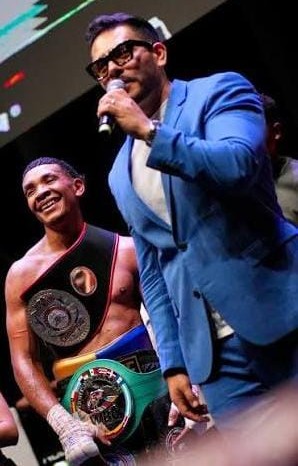
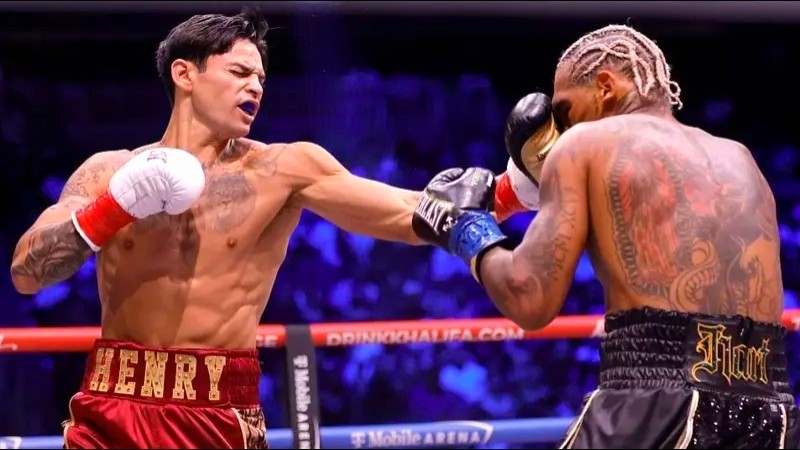
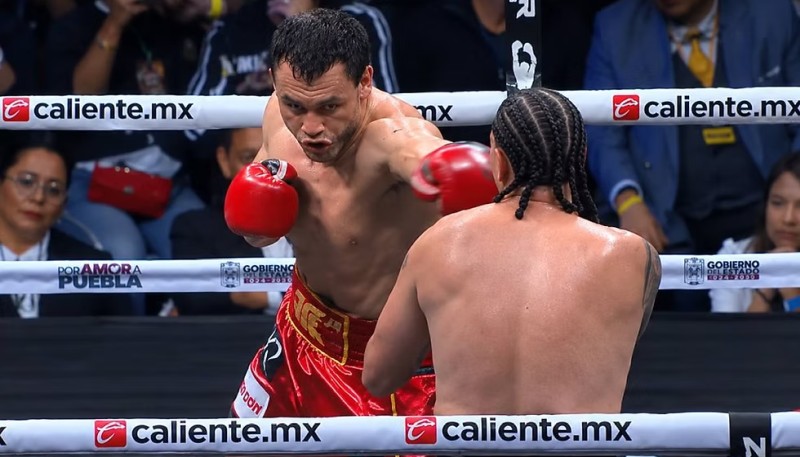
Some are calling the event the fight of the century, but could it also be the last professional boxing match anyone cares about?
Is this how boxing ends?not with a whimper but a bang?
The May 2 bout between Floyd Mayweather and Manny Pacquiao has been six years in the making. In that time, there?s been a flirtation with retirement and a brush with the law for Mayweather; and political office and album-making for Pacquiao while their teams hashed out the details of the purse split, drug testing and the fight location.
But an agreement was made in February. Boxing?s biggest stars will finally fight, and Mayweather vs. Pacquiao is predicted to be professional boxing?s largest-grossing match.
But will it also be the last fight anyone cares about?
?Anyone? doesn?t include the die-hards, the fans who love boxing for boxing?s sake and will hunger for the ?sweet science? long after this historic encounter. ?Anyone? means casual fight fans, the American public, which used to gobble up boxing with the fervor reserved for professional football and baseball.
Boxing used to be big. Bigger than two fighters. But thanks to the sport?s longtime nemesis?greedy, crooked promoters?what was once mainstream is rapidly becoming a niche sport.
Before pay-per-view and HBO, boxing was accessible to everyone. Joe Louis? bouts were national events. According to the New York Times, more than 70 million people listened to the radio broadcast of the second match between Louis and German boxer Max Schmeling?the biggest radio audience to that date for a single program. During the Great Depression, Lewis represented hope and provided a needed distraction for the masses, assuaging their fears of Hilter?s rising military power by watching Lewis fight Schmeling in Yankee Stadium. Lewis? bouts brought people together, around the radio and in the streets in celebration of his victories.
Boxing was a reflection of the American public and its values, fighters often came from nothing to build fame and fortune with their fists?issues of race and class were dealt with in the ring, in front of an insatiable public. Legends arose from the fists of Lewis, Muhammad Ali, Jack Johnson, Rocky Marciano and Sugar Ray Robinson. The sport represented the gritty, real-life struggles of many Americans, not the glitz and bright lights of the Vegas showcases we see now.
?The Wide World of Sports was where Muhammad Ali and Sugar Ray Leonard became so popular. They were really available to everyone who had a television set. Then the cable channels took those stars and started doing exclusive deals with them,? said Tom Loeffler, manager and director of K2, a company that manages boxers Wladimir Kllitschoko and Gennady Golovkin (better known as GGG). ?Then the pay-per-view market hit, and they were taking popular stars and putting together a mega-event where people wanted to pay to see it.?
This ?mega-event? factor, along with infighting among promoters, may have contributed to boxing?s slide out of mainstream popularity. Stories of crooked promoters, criminal activity and other controversies sullied a sport that seemed, at times, uninterested in cleaning up its act to better fit in the modern sports era. Promoters such as Don King became as famous for producing audacious fights as for allegedly draining athletes of money.