The punch represented a microcosm of the fight ? Barrera, much slower, trying to cope with the speed and getting nailed in the process?
Pacquiao vs. Barrera I
When Marco Antonio Barrera successfully ended the reign of the great featherweight champion, ?Prince? Naseem Hamed in 2001, the victory sparked a fabulous four-fight run that included victories over Erik Morales, Paulie Ayala, Kevin Kelley, and the less heralded Enrique Sanchez. It represented a glorious stretch for Barrera, who knew that a 24-year-old Pacquiao was patiently biding his time. The boxing world was getting early glimpses of Pacquiao (37-2-1) and there was a lot to like.
The non-title bout was held in the Alamodome on November 15, 2003. After a first round where Pacquiao got tangled up with Barerra and fell to the canvas (called a knockdown, but appeared to be a slip), trainer Freddie Roach implored Pacquiao to double up on the jab in the corner. Back then, Pacquiao listened intently; the rapport between trainer and fighter is still strong more than a decade later.
For the next nine rounds that night, a 126-pound Pacquiao unleashed a torrent of mesmerizing attacks that left the great Mexican champion so befuddled and, at times, appearing so lethargic that it was difficult to believe it was the same fighter who had imposed his will on some of the most talented fighters in that weight class. Barrera, the true champion, forged ahead, but he was forced to fight at a pace that was so much quicker than he?d had to in the past. Leading up to the historic encounter, Barrera had faced the straightforward Morales and the mobile Kelley, but Pacquiao combined a blend of power and speed that was extremely difficult for any fighter to contend with.
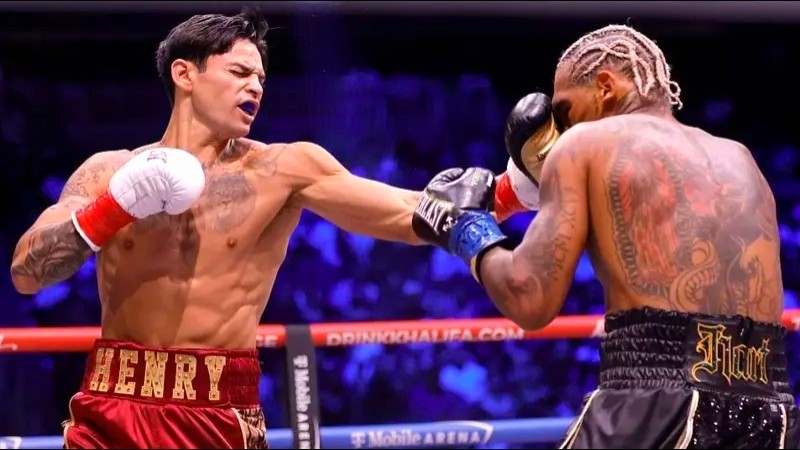
Recognizing that Paquiao was dangerous with any punch, Barrera slid to the side of a lead right hand in the third round, and stumbled into a hard straight left hand that sent him down hard. The punch represented a microcosm of the fight ? Barrera, much slower, trying to cope with the speed and getting nailed in the process. Yet, it wasn?t the flush punches that bothered him, but the multiple angles from which Pacquiao attacked. When Pacquiao wanted to lead, he swarmed Barrera. Even when Barrera thought he had a second to breathe, Pacquiao was right there bobbing and weaving, searching for an opening. When there wasn?t an opening or Pacquiao couldn?t get inside with a jab, he made space. Punches from all angles ricocheted off of Barrera?s body all night long.
Yet, it wasn?t the third-round knockdown that left Barrera so dejected, it was everything that followed ? an onslaught so fierce that Barrera often masked his frustration in anger at accidental headbutts. Nevertheless, Barrera, who reveled in his role as offensive juggernaut, was reduced to plodding and landing an occasional significant punch. At age 24, Pacquiao only needed a few rounds to let Barrera know that there was no remedy to his power and speed. In the fourth, Pacquiao confirmed his greatness as he landed a three-punch combination early in the round, and closed it out with a vicious eight-punch combination to close out the round. In both instances, one pattern emerged: Pacquiao landed and then slipped away unscathed. No one challenged Barrera in that fashion and didn?t pay a heavy price.
Pacquiao was different; this was his stage now. Off balance in the fifth, this version of Pacquiao was too athletic and quick to suffer any repercussions after landing a five-punch combination off his right foot; in the next round, Pacquiao landed an uppercut that sent Barrera down, but the knockdown was called a slip. Despite having moments of brief success, Barrera was completely out of his element by the eighth, and was battered in the round.
Revealing dejection and scorn, Barrera landed a beautiful left hook on the inside early in the ninth round, but the punch only seemed to enrage Pacquiao. Then something changed. Now, Pacquiao, with two minutes remaining in the round, began to land clean punches. No longer was he lunging or aimlessly jumping in, but he was scoring three-punch combinations from a distance in the middle of the ring. Barrera began to accept his fate. After a point was deducted from Barrera, Pacquiao moved in, feinted left, then right and then scored a vicious straight left hand.
The end was near.
Two rounds later and Barrera?s cornermen were hugging him after what was the last knockdown of the fight. Pacquiao rejoiced.
What this fight means ? Mayweather vs. Pacquiao
It is unlikely that a bout fought in 2003 will have any impact on the upcoming megafight. However, balance-wise, Pacquiao can?t fight Mayweather in the fits or bursts that he used to, if he is going to be out of position to protect himself against counterpunching by Mayweather. What I mean is that when Pacquiao was young, he made up for all of his mistakes through God-given ability, most of all speed, but he has slowed down a bit over the years, so he can?t let himself get out of position against a great fighter like Mayweather. He always has to be ready to punch, and more cautious for those pinpoint Mayweather right hands.
Mayweather vs. Corrales
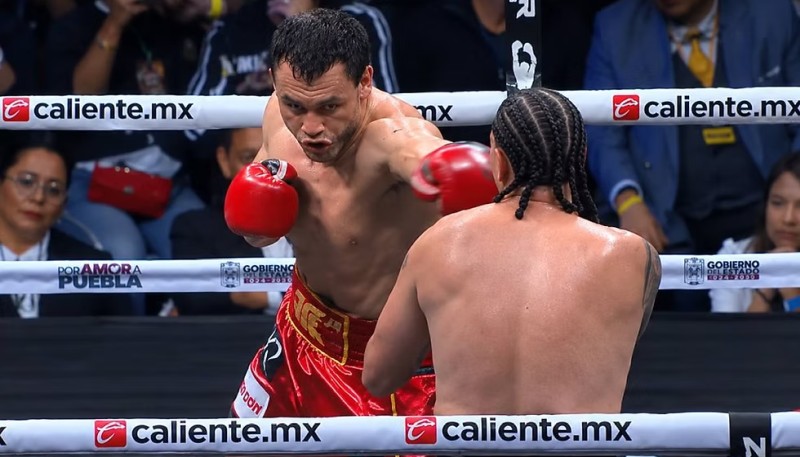
At one point in his career, Floyd Mayweather Jr. was an indomitable force who could beat you from the outside or outpunch you on the inside. In 2001, Mayweather was at his absolute best; no one could compare with him. It was a sight to behold as the Mayweather blur that bounced in and out of danger so quickly that the undefeated Diego Corrales was often left punching at air. Despite vicious pre-fight theatrics, both men exhibited a mutual respect in the ring. Critics mentioned the similarities between Corrales and Mayweather and the Hearns vs. Leonard superfight, but Mayweather made sure that the superfight that helped change the boxing landscape in the early-1980s was much more competitive than this one-sided affair.
When Mayweather faced Diego Corrales in 2001, they combined for a record of 60-0 with 45 knockouts. Critics realized that Corrales was a legitimate opponent who would outweigh Mayweather by 15-20 pounds once they got into the ring. If anyone could find a weakness in this young superstar, it was the knockout puncher, Corrales. Dwarfed by Corrales, Mayweather started early with a stinging jab to the head and then to Corrales?s chest. In response, Corrales stalked Mayweather around the ring.
Igniting a pattern that continued all night long as Corrales rarely protected himself, Mayweather feinted with the jab and led with a left hook. What Mayweather executed so skillfully back then was to jab and then, as he brought back his hand, he raked it across Corrales?s face to buy time. Therefore, the tactic gave him an extra second to reset. Those who had criticized Mayweather as a no-action, defensive-minded fighter were pleasantly surprised at this Mayweather who looked to brutalize Corrales with speed and power.
In the last 20 seconds of round five, Mayweather?s shiftiness and catlike reflexes sapped Corrales?s energy as he jabbed, moved out of harm?s way, and led with the right hand. Mayeather continued to bait Corrales to fight with him on the inside, brilliantly roll with punches, and slash him with a short hook. Even the casual fan could identify with Mayweather?s boxing acumen and skills.
If the end of the sixth and beginning of the seventh were any indication of Corrales? mental state and ability to engage with Mayweather, the fight was clearly over. He stumbled from a huge left hook with eleven seconds left in the sixth and went down from a nasty left hand to start the seventh. Yet, the strategy to offset Mayweather?s speed never wavered as a downtrodden but courageous Corrales had even more difficulty cutting off the ring. Showing little resilience, Corrales went down two more times in last 30 seconds of the round. What was concerning was the fact that right hands were coming in with more intensity and met with little to no resistance. No one, including Corrales, would have objected if referee Richard Steele had decided to save him more damage, but he let it continue. Corrales, clearly detached, mentally prepared for another round.
Gamely, Corrales fought on, but nothing worked. Mayweather breezed through the eighth with his jab, and closed out the fight with two more knockdowns in the tenth and final round. Corrales spun on his knee from the last barrage. It was a fight that should have been called sooner by referee Richard Steele, but Corrales? corner stopped it at 2:19 of the tenth.
What this fight means ? Mayweather vs. Pacquiao
Mayweather hasn?t fought with this intensity and speed in years. He throws combinations, but is much more economical, which works in his favor because he?s so accurate. What was clear ? and Pacquiao knows this ? it is impossible to follow Mayweather. If an opponent has no strategy or the ability to cut off the ring or beat Mayweather to a spot, he might as well walk out of the ring. Corrales clearly had no plan and looked lost every time he wound up and realized Mayweather had already shifted away to his right or left. Watching this tactic is exhausting, but Pacquiao and Roach have probably already game planned for this tactic by Mayweather. Making it work is the key.