?In the America that I grew up in, men of Asia placed last in the hierarchy of manhood,? observes Alex Tizon in his keen, distinctive memoir, ?Big Little Man? (Houghton Mifflin Harcourt, 261 pp., $27). ?They were invisible in the high-testosterone arenas of politics, big business and sports. On television and in the movies, they were worse than invisible. They were embarrassing. We were embarrassing.?
Tizon?s book is at once a ruthlessly honest personal story and a devastating critique of contemporary American culture, which spews demeaning and inaccurate assumptions about Asian-American males. If they don?t come immediately to mind, the stereotypes become abundantly clear in Tizon?s thorough treatment of the topic. This is frank, straight talk about race and gender that will take you out of your comfort zone. ?Most of us, when imagining an All-American, wouldn?t picture a man who looked like me,? writes Tizon, who is of Filipino descent. ?Not even I would.?
Tizon relays his own struggles with his identity, including a painful period of shame and self-loathing when he wore a clothespin on his nose at night in the hope he could make his nose appear more European looking. He skewers the myths about Asian men by probing deep and deconstructing them. He traces the history of anti-Asian racism in the U.S., including the yellow peril hysteria that led to the exclusion of Chinese immigrants in the late 19th century, the incarceration of Japanese Americans during World War II and the backlash against Asians in the 1980s, when Japanese imports threatened the manhood of American business and workers. Tizon also provides a blunt assessment of Asian-American male sexuality, including the ultimate put-down: the preference of many Asian-American women for white men on college campuses and in the dating world.
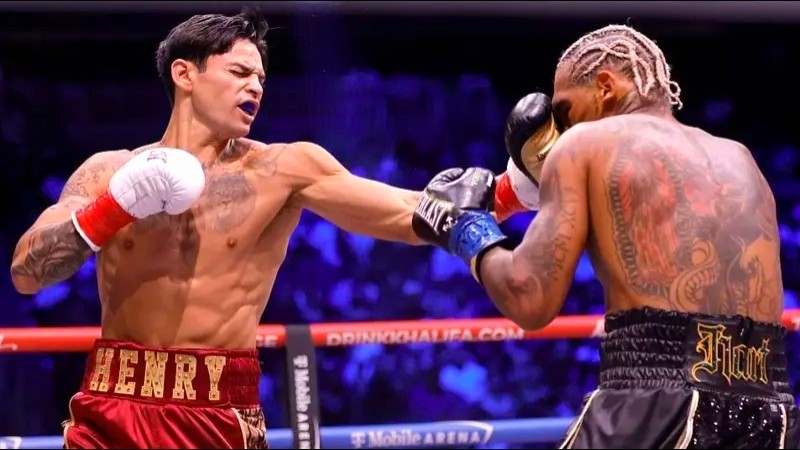
The despair he felt as a young man morphs over time. What emerges, owing to his own maturation and the changing images of Asian men in America, is a new and more authentic archetype of the Asian male. He cites the influx of role models such as NBA phenom Jeremy Lin; former Washington state Gov. Gary Locke, who went on to become the ambassador to China; the blazing success of Filipino boxer Manny Pacquiao; and the business acumen of Yahoo! Chairman Jerry Yang. With perceptions and attitudes in flux, Asian males can find more and varied ways to be men.
Tizon, now a journalism professor at the University of Oregon, was a reporter for many years with The Seattle Times, where he won a Pulitzer Prize, and later was a national correspondent with the Los Angeles Times. What makes his writing compelling is his ability to investigate and explain complex topics, deftly weaving in information from websites, history texts, university research and social media, combined with intense self-examination. His willingness to look inward gives him more authority to unpack some of the damaging misperceptions about Asian men.
David Takami is the author of ?Divided Destiny: A History of Japanese Americans in Seattle.?