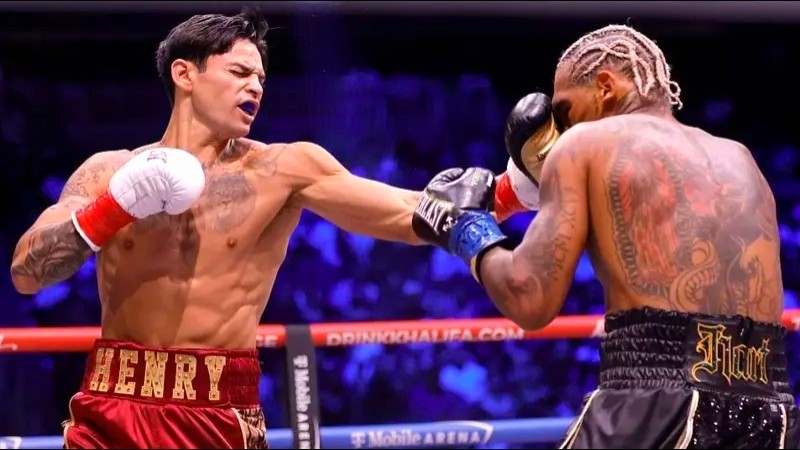
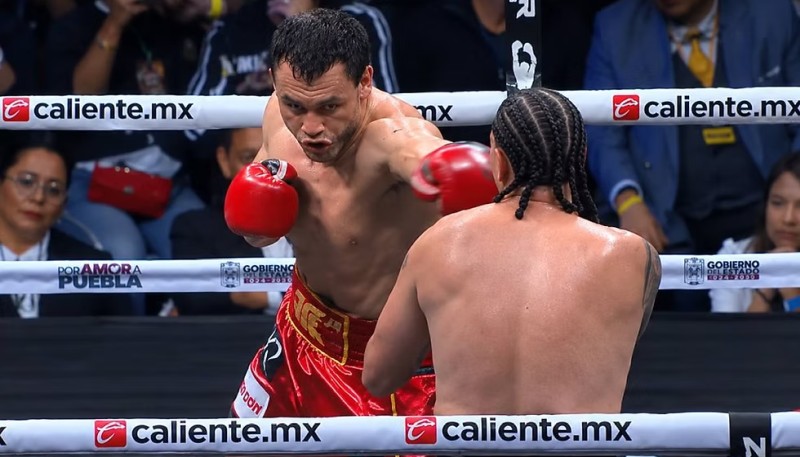
I WAS ASTOUNDED to read a report the other day that top officials of the Department of Education, headed by DepEd officer-in-charge Fe Hidalgo, are considering the inclusion of boxing in the public school curriculum.
That’s a no-brainer.
Instead of teaching good values to the youth, the educators now want to include boxing as a physical education subject. Boxing is a violent sport, both in theory and practice, because its main purpose is to hurt.
In fact, several physicians, sociologists and other experts have said (and I agree) that boxing, both professional and amateur, has no place in any civilized society.
Dr. George Lundberg, an editor of the Journal of American Medical Association, said, “It’s abuse, pure and simple.” He stressed that younger boxers face a greater risk — and this might legally constitute child abuse. “It (boxing) is predictable damage and, if it involves children, of kids bashing each other, hurting each other, then this makes a pretty good case for child abuse.”
According to Inquirer reporter Alcuin Papa, Hidalgo said boxing would most probably be adopted in the high school level since “we want kids in the elementary (level) to focus on their academics.” Boxing could be a way out of poverty for some kids, she added, but “we would still want the children to learn to read and write.”
With more kids training in boxing, the report said, there is a greater possibility of discovering another boxer like Manny Pacquiao, although finding one is like looking for a needle in a haystack. Pacquiao is one-in-a-million. Aside from his God-given skills and courage, he attained success because he worked harder and sacrificed more than other athletes.
Amateur boxing is less risky because the people who run the sport care about the fighters and they take every precaution to ensure the safety of their young boxers who wear padded headgear during their bouts. As noted American TV journalist Howard Cosell once said: “It was a joy to be around these (amateur) fighters and trainers because there were no greedy, scheming professional promoters to deal with.”
Still, despite the safeguards adopted in amateur boxing, it has been evident from scientific findings that there is both serious and long-term brain injury to boxers.
Dr. Joseph Boyle, a president of the American Medical Association, said people are seriously disabled even after short exposure to boxing, even in relatively minor settings (like amateur boxing). “Amateur boxing is the farm team for professional boxing,” he said.
Dr. Boyle said he found it a little bit strange that there are laws against pitting dogs and chickens while “putting two human beings in the ring is perfectly legal.”
Another prestigious medical organization, the British Medical Association, also viewed boxing with disfavor, saying it is a non-human endeavor, and called for the abolition of pro boxing and amateur boxing as well.
On the theory that boxing is a route to economic success, medical experts counter by saying that society needs to worry more about the underprivileged majority and provide them with job security without sacrificing the brain.
A professor of brain sciences, Dr. Dominick Purpura of the Albert Einstein College of Medicine in New York, demonstrated how the boxers’ brain are damaged by a blow to the head. He said that repeated blows to the head of a young person can stunt the development of his brain. He pointed out “that the brain continues to develop into the fourth decade of life, and a boxer may interrupt that process by fighting while in his teens.”
* * *
NAIL-BITING FINALS: Expect another banner crowd to attend Game 6 between Purefoods and Red Bull at the Big Dome tonight. Will the Chunkee Giants, who are leading the best-of-7 title series, 3-2, wrap up the PBA Philippine Cup or will the rampaging Bulls win anew and forge a rubber match?