Victory over Europe Day, the day on which the surrender of Germany was announced, officially ended the European phase of World War II on May 7, 1945?
There are many ways I can set the stage for the period immediately leading up to and following 1945. I can write about practicing mock air-raid drills in grade school, listening to the air-raid sirens at night, and turning off all lights off. But I?d much prefer to write about the carefree and happy days that followed 1945.
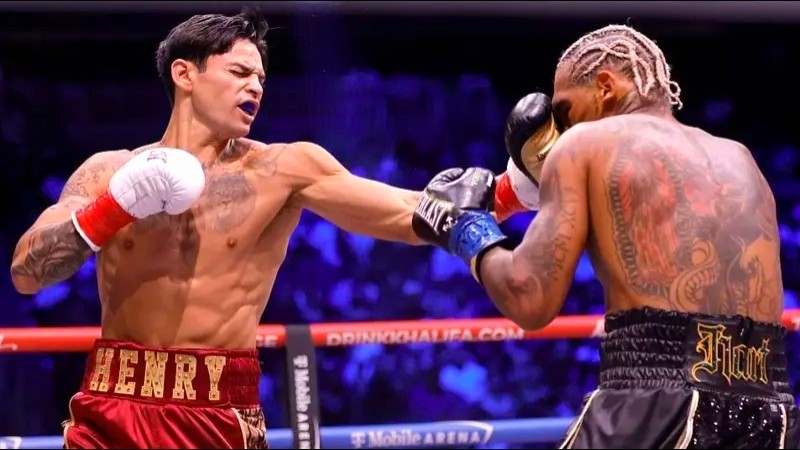
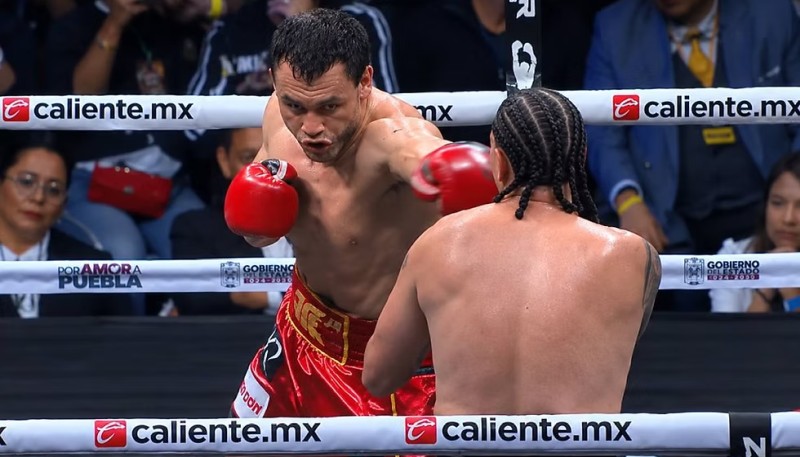
Or, if you were a boxing fan, names like Joe Louis, Lee Oma, Lou Nova, Joe Baksi, Tami Mauriello, Gus Lesnevich, Jersey Joe Walcott, Sugar Ray Robinson, Jake LaMotta, Fritzie Zivic and others might resonate. Indeed, the first professional fight I ever witnessed live was one between Art McWhorter and Bob Satterfield in 1945 in which Bob won by first round KO at the Marigold Gardens. Art went down three times. First from a left hook, then from a typical Satterfield savage flurry, and then from another left hook which finished him. Boxing during the 1940s was a great way for many people to relieve the stress of the times.
Now the other day, I glanced at an obituary in a local paper and noticed that an eighty-nine-year-old town person had passed away and read that he was a recipient of the Bronze and Silver Star, having served in World War II. This resonated with me, for my brother, also a World War II vet, had recently passed and it got me to thinking how things were back then.
Back on a steamy mid-August evening in 1945 (having just celebrated my eighth year birthday), I was in the McVickers Movie Theater in Chicago?s Loop with my two older sisters watching a double feature when all of a sudden we heard some noise coming from outside the theater, a low rumble building to a loud roar. The movie screen went blank and the ushers told us to go outside. Something big was going on. The American people had been anxiously waiting for this moment. There had been rumors and speculations for several days. How much longer could it take? The time had to be near; maybe this was it.
Victory over Europe Day, the day on which the surrender of Germany was announced, officially ended the European phase of World War II on May 7, 1945. But the Pacific phase was still going on and the thing Americans dreaded most was that our troops likely would need to attack Japan in a land invasion to force surrender, but at a likely great loss of life.
Thankfully, Japanese resistance on Okinawa ended on June 22 and this created a surge of hope for an end to the war. Then, on August 6, the first atomic bomb was dropped on Hiroshima by the Enola Gay. Three days later, another superfortess dropped ?Fat Boy? on Nagasaki. Four hundred thousand human beings perished in just these two attacks. But incredibly, these horrific bombings (the necessity for which will be debated for eternity) did not bring an immediate surrender and there was a growing and aching frustration for the war?s end. There were more and more reports of possible capitulation. West Coast ham radio operators claimed they had intercepted a Japanese radio broadcast stating that Japan was ready to surrender. Radio listeners, inured to false rumors, moaned and tried to put this prospect out of their minds.
My parents went about their workdays keeping a firm lid on hope, though I remember my mother going to church each day and praying for peace and the safe return of my brother who was poised to go to Japan with the invading troops. Newspapers dwelled on what seemed to be a maddening hesitation on the part of Japanese leaders. Angst was not a common word in those days but if it had been, there was plenty of it in our household. Like everyone else, we were just plain scared to death!
The News
Then the news crackled over a radio headquarters, from 221 Group Royal Air Force, to a primitive U.S. Airstrip at Kinmagon, near Pagan, in Burma. The Japanese had surrendered. At 7:00 PM, Eastern Time, President Harry Truman officially announced around the world the following: ?I have received this afternoon a message from the Japanese Government ?I deem this?a full acceptance of [the terms of] the unconditional surrender of Japan?arrangements are now being made for the formal signing of surrender terms at the earliest possible moment.? He went on to say, ?This is the day we have been waiting for since Pearl Harbor.? From John Woolley and Gerhard Peters: ?The President?s News Conference of August 14, 1945,? The American Presidency Project.
Cities, towns, hamlets, homes, workplaces and streets throughout the United States erupted into pandemonium. It was over, and the news soon trickled down to Chicago?s downtown area and to every other place in America and the world. Victory over Japan Day (V-J Day) was on August 15, 1945, the day when fighting with Japan ended, although the surrender was formally signed was on September 2. The day is technically commemorated on August 14 in the United States since the news of the surrender broke on that date in our time zones.
Back to the McVickers Theater
Well, when my sisters and I got outside the theater, there were thousands of people dancing in the streets as far as the eyes of an eight-year-old boy could see. While still very young, I had some minimal grasp of what all this meant. So did my sisters, both of whom were soon dancing with strangers and screaming at the top of their lungs. So did everyone else. This was a spontaneous celebration the likes of which we may never again witness. People all across America took to the streets to indulge in total and uninhibited silliness. Responsible and ?sober? citizens turned fire hoses on each other and engaged in conga lines, wriggling, kicking, and screaming. We did the Bunny Hop before anyone knew there was such a dance. There was confetti, signs, soda pop, beer, kisses, hugs, music and dancing. It was wild. It was joyous.
But what did all this mean to me? Well, for one thing, I knew I would no longer have to help my mother tend to our victory gardens which, albeit symbolically, provided us with food in place of those items which were rationed by the government, but more importantly, which helped cultivate morale by demonstrating civilian support for the war effort. I also sensed that just maybe, I might now be able to get my hands on some Fleers Double Bubble gum made with real sugar, a scarce and much-wanted commodity during the war years. But most of all, we knew that my brother, Arturo, would not have to go to Japan. We knew that unlike so many of the young men on our city block in Chicago, men like Billy Gephardt and Bobby Hubert, he would soon be coming home and that was indeed cause for great celebration. We could finally remove the star from our window. Too many others were not so fortunate and that was cause for profound sadness.
So now, whenever I happen to hear some old Chicago blues or a tune by Bob Eberly, Glenn Miller, Harry James or the Andrews Sisters, or when I hear George Shearing and Mel Torme do ?Mel and George Do World War II,? I think about those members of the ?Greatest Generation? who fought so valiantly. Whenever I read an obituary about someone who served during that time, I think about how I wish I somehow could have acknowledged their sacrifices in a better way and I think about my brother and how I wish he could have been with us at the Satterfield-McWhorter fight.
But most of all and with moist eyes, I think about all those real champions, the real heroes, gallant fellows like Billy Gephardt and Bobby Hubert down at the end of our block who left at such a young age in 1942 and never returned.