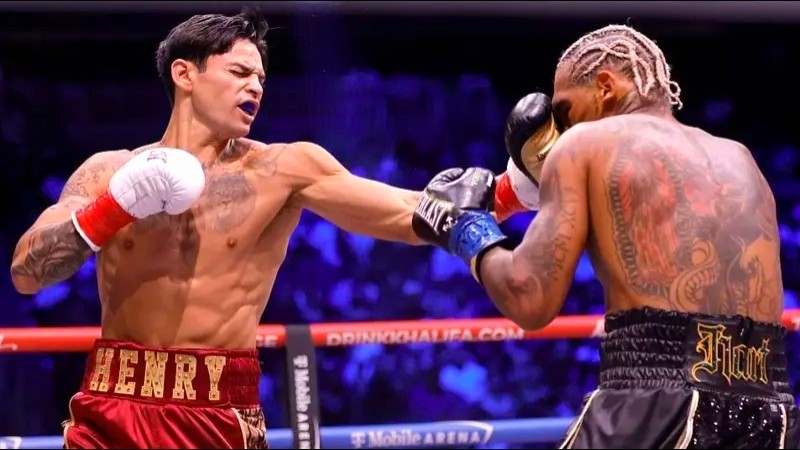
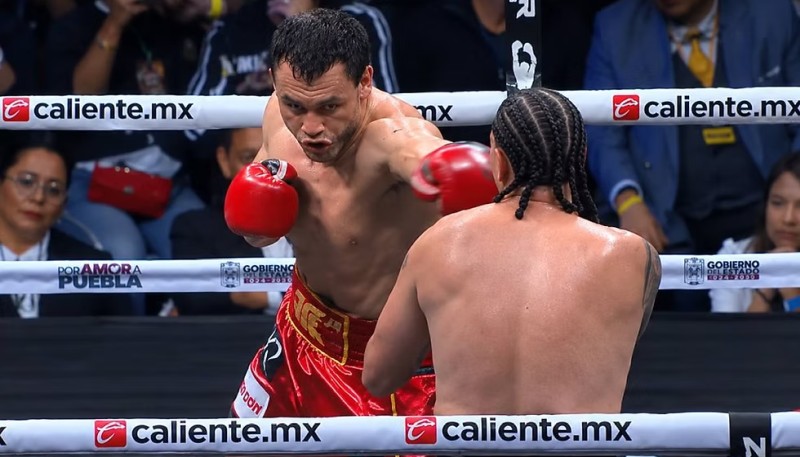
OUR country?s pride and sports icon, Manny Pacquiao, fought the fight of his life against the Mexican Erik Morales last week. We are all rejoicing over his victory and the mark that he has made in the boxing world for our country.
We did not waver on our support for our hero, our icon. The entertainment business has successfully produced a series of icons for the public to adore, ignore and even curse. What will our Sunday afternoons be without our dose of show-biz gossip from S Files and The Buzz? At the same time, public affairs and TV programs have created larger than life journalistic and entertainment icons who have built their credibility over time. (Haribon is so lucky to have icons like Karen Davila, Arnold Clavio, Abner Mercado, Rhea Santos, Jolina Magdangal, Susie Entrata-Abrera, Noel Caba?ngon, Ricky Davao, Medwin Marfil, Bam Aquino, Tolits, Jonathan Manalo, Flexi Sarte and Maricris Sarino as its ambassadors for conservation). Everywhere they go, their supporters are agog over seeing their icons in person?they are enthralled, pretty much like the mice and children who were captivated by the music of the pied piper of Hamelin.
All of us have our own icons but sadly, when it comes to the environment, we hardly recognize any icon. Take for example the Philippine Eagle, which can only be found in the Philippines. It is our national bird and is the second largest eagle in the world. It is critically endangered because of loss of habitat and yet very little attention is given to it.
Consider these statistics: of the 174 land mammals found in the country, 111 are endemic; 172 of 395 breeding land birds are unique to our fractured archipelago; 163 out of 244 reptilian species, we can call our very own; and 66 of 85 species of amphibians are distinct to the Philippines. All told, there is a 57 percent rate of endemism (meaning that these animals can only be found in the Philippines) among the terrestrial vertebrate fauna that you find here. Brazil, which is about 28 times the size of our country, has only an endemicity of 25 percent. Simply put, almost 6 out of every 10 animal species are uniquely Filipino. In fact, in spite of our small land area, just 300,000 square kilometers, the Philippines ranks seventh among the mega-diverse countries of the world. It is certainly something we should all be proud of.
Imagine all these beautiful and exceptional icons we have and yet do not realize or even recognize. These are our real treasures and if we take care of them, particularly their habitat which is the tropical lowland rainforest, the latter will also take care of us by providing us with clean air, a constant supply of water, sources of food, medicine, clothing, shelter, aesthetic values and economic opportunities for tourism and forest-based livelihood activities. I cannot think of any better deal that we can ever get from any icon.