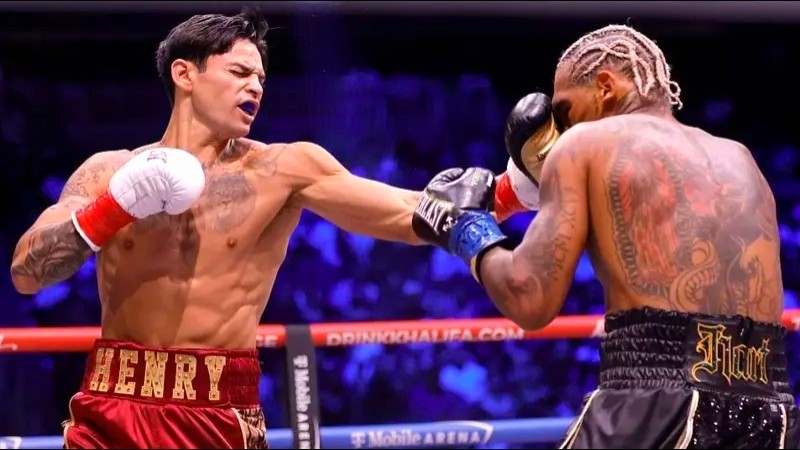
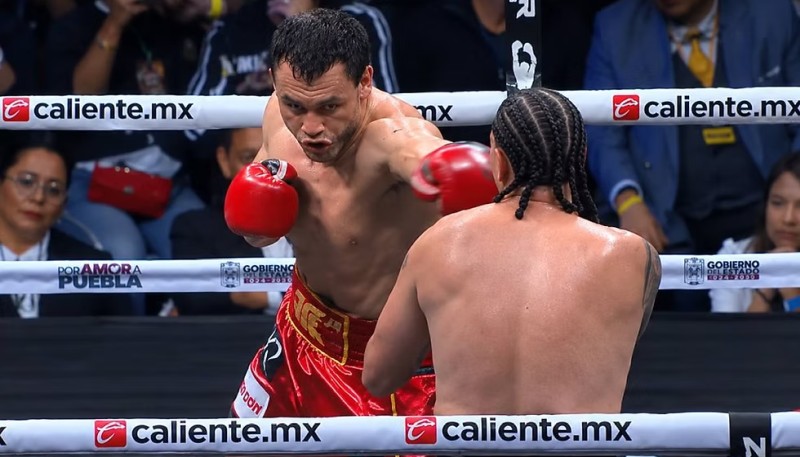
A week from the day it happened, we thank God the Filipino is a spontaneous people––didn’t you see them glitter with the winning of Manny Pacquiao? And the welcome for him was infectious; didn’t you faint in the crowd? A people with a natural lightness of being, that’s what we are, whether it’s good or bad for us. The exhilaration over the win wasn’t structured, nor planned for a purpose, not fashioned for an agenda.
And how did the Filipino take the news?
Utterly happily. The cab drivers days after couldn’t stop talking about it.
There’s no proof of this artlessness more convincing, although heartrending, than the story of a couple of guys from Argao and Consolacion who killed a neighbor and, the other one, a friend during a heated discussion about whether the Pacman would win or not. Even when the fight was over, the guys in Barangay Bogo in Argao town drank through the night, talking about the fight. The slayer was rooting for Erik Morales, got piqued with the story of Pacquiao winning greatly and stabbed his neighbor who, like thousands of Filipinos, is an all-out Pacman fan.
Or who would question the truth about the news story of a couple of elderly men who succumbed to a stroke and heart failure for sheer happiness at the moment Pacquiao won?
We drove around the city on the day that Pacquiao’s fight was live on TV; we couldn’t stand watching it. It was easier to watch it after it was over.
The SRP was almost deserted miles around, the downtown seemed to have been abandoned. We went up to Busay and watched the city from there, realizing that the people were acting as one, yes, Pacquiao got it—the wish for unity—even if only for a few hours. We stood there from La Tegola Cucina, we watched the city below us breathing where there was a tinge in the air of happy news before the big news confirmed it. The city had a beat you couldn’t dismiss.
Relatives and friends in the US said that you could tell where Filipinos lived for the sound of cheers emanating from Filipino homes in that foreign country.
We weren’t surprised when at a certain time in that morning we got text messages and calls from there, announcing ahead of the local coverage that the Pacman made it.
This feeling is pushed by nothing but sheer joy, something that’s easily true in the Filipino, if he doesn’t stop to think, to strategize or plan for other purposes––or move and show an intended result, such as in politics.
Only politicians saw politics in the event, like the mention of the presence of Mike Arroyo and Singson, or whoever else, at the Thomas and Mack Center in Las Vegas. Other groups see Pacquiao as being used, and this sounds familiar.
In the midst of the rapture of the moment, someone from the wings says, “Hey, I’m here!” In parties, a politician would stand in full view, on his first chance to do it, while a line moves along for his handshake.
Only politics started news of the possibility of Pacquiao running for a post in his home province.
The politician doesn’t let go but listens to his own objectives (or the party’s) and his intentions (known or unknown). It’s like him holding back, then reflecting on the best strategy with which to make full use of the occasion.
Politics is pre-meditated, unlike the flash reactions of the ordinary Filipinos in a moment of triumph. It harps on power in running the people’s lives.
If he’s not yet up there, then the politician is a sycophant, a baby-kisser, as one would put it, a cringer. He makes political war, and politically (without enough evidence) he blows the whistle (or is behind the whistle blower) when it becomes convenient. He is the killjoy in a party when he isn’t the source of joy.
Perhaps, it might turn out that Pacquiao will enter politics since politics is a virus infection anywhere in the country. But for now, the boxer’s happiness is real, instinctive, unfettered, natural.
See him talk in interviews. A politician wouldn’t dare speak English if he hasn’t learned to speak well, something Pacquiao doesn’t know in a candor that becomes him. No politics can spoil that moment.