He is a farmer’s son who ran away from the fields when he was 12. He hustled for meal money in pool halls and on outdoor basketball courts. He has always been on the move with a restless impatience in a nation that has had to wait for its heroes to return.
But the Philippines hasn’t had to wait for Manny Pacquiao.
Pacquiao escaped those fields because his mom wouldn’t let him box, but he is as much a part of that gritty Filipino dirt as the corn and rice that grows there. He’ll be in Las Vegas Saturday at the MGM Grand, far from his home in General Santos City, but closer to the Filipino soul than Gen. Douglas MacArthur ever could be.
Pacquiao (39-2-2, 30 knockouts) doesn’t promise to return. He doesn’t have to. The native-born son never really leaves. He carries a piece of the island nation with him wherever he goes, and most of it will be with him vs. Erik Morales (47-2, 34 knockouts) in a 130-pound fight that ranks as the most anticipated bout in 2005.
“My countrymen are praying for me,” Pacquiao told Filipino television reporters last week after a workout in Los Angeles.
Pacquaio is not the first to take on a nation’s identity. Julio Cesar Chavez was that fighter for Mexico in the 1980s. Since then, there have been a series of potential successors to Chavez. Morales is one of them. But it’s a little bit like searching for the next Michael Jordan. There’s only one, and Pacquiao has become that kind of symbol.
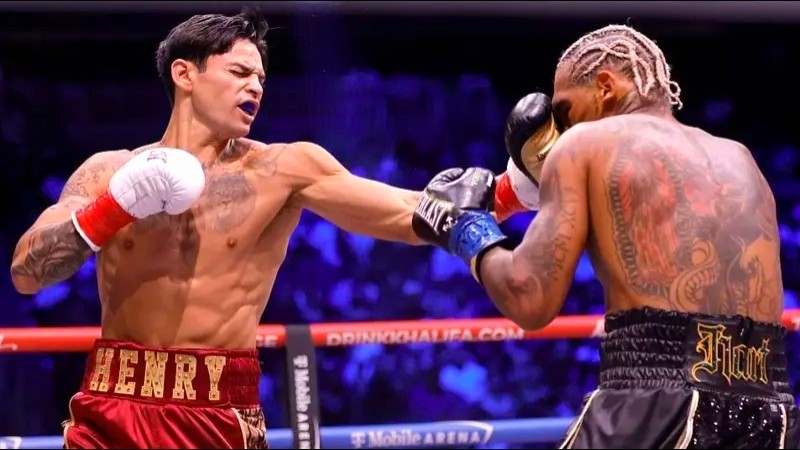
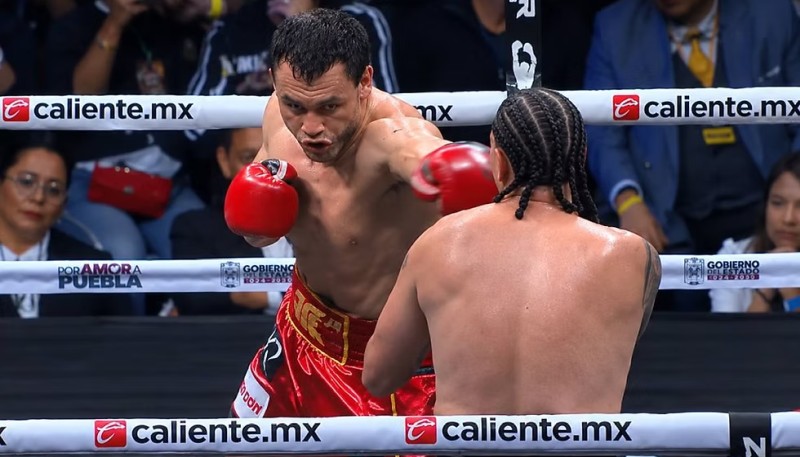
It puts immense pressure on Pacquiao, but also adds a dramatic edge to a bout between two offensive-minded fighters.
If conventional wisdom is applied, Morales should prevail. In a fight between two good fighters, always pick the bigger man.
Morales could be at least 140 pounds at opening bell, a day after the official weigh-in. Reportedly, he was at 144 in a controversial loss to Marco Antonio Barrera in the 2004 Fight of the Year.
But conventional does not apply to Pacquiao. He throws punches at a blinding rate and from angles he might have learned with a pool cue.