TODAY is Araw ng Kagitingan, where we honor the sacrifices not just of World War 2 veterans but of all those who fought and contributed to the creation and the liberty of the nation. Long associated with the Fall of Bataan, it has now been reframed to emphasize the Filipinos’ valor, which means soldiering on despite impossible odds.
I was told by the newly elected chairman of the National Historical Commission of the Philippines, Lisa Guerrero Nakpil — who happens to be the daughter of the late former NHC chairman Carmen Guerrero Nakpil and who has a background in investment banking, music entrepreneurship, and art and public history — that she would like to expand our commemorations to honor not just political and cultural achievers but also the heroes of science and sports.
Just two days before Nakpil was elected on Holy Monday, a very meaningful and momentous occasion was held, underscoring the other factors that create and edify a nation.
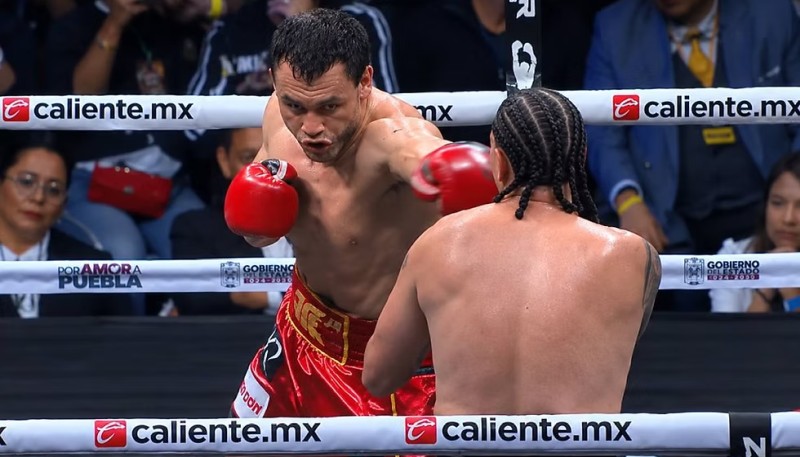
“Sweet Science of Bruising” was what the English writer Pierce Egan Sr. called the technicality and roughness of the boxing sport in his life work, the multi-volume “Boxiana.” We all know the Filipinos’ obsession with this sweet science, but most of us are unaware of its history in our country.
An American, Francis Aglar Churchill, is considered the Father of Philippine Boxing. He founded the Olympic Boxing Club in Manila in 1911, where they held monthly bouts of foreign boxers. His cochero, Francisco Labra, was inspired and asked him if he, too, could become a boxer. At that time, mixed matches between Filipinos and foreigners were not allowed. Eventually, with Churchill’s business partners Steward Alfred Tait and Edwin Ensign Tait, they were able to develop his career and those of Pancho Villa and “Kid Dencio” Cabanela. Eventually, these showmen, while talking at the Manila Grand Opera House, eventually decided to buy the lot in front of the opera house and build the 6,500-seater Olympic Stadium in Santa Cruz, Manila, which opened in 1919, which for the longest time was the Mecca of Philippine boxing, it’s ground zero.
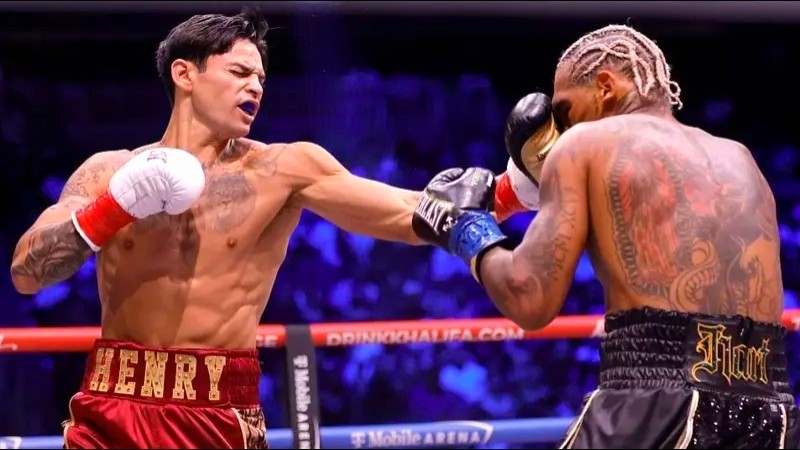
At that time, they were called the Little Brown Dolls: Eustaquio Duarte, Silvino Jamito, Inosencio Moldez, Francisco Guilledo, and many others. Forty-five world champions came from the Philippines or had Filipino heritage, including Pancho Villa, Gabriel “Flash” Elorde and Manny Pacquiao. As Emmanuel Rivera said, “Little Brown Dolls No More.” In their victorious moments, we felt united as one people, and we felt as big as giants.
On March 23, 2024, at what is now the Manila Grand Opera Hotel just near that hallowed ground of Philippine boxing, Emmanuel Rivera, the son of the boxing writer Hermie Rivera and himself a former fight promoter, organized a tribute event for those who contributed to our beautiful shining record in the Sweet Science in and out of the ring, those who passed on and those still living, “The Philippine Boxing Hall of Fame” along with the Philippine Boxing Historical Society.
He not only brought his family along but excess baggage of boxing history memorabilia from around the globe, which he collected and displayed temporarily during the event, including Egan’s “Boxiana.” His collection on Philippine boxing includes posters, magazines, art and event actual fighting gloves of Philippine boxers. It was overwhelming.
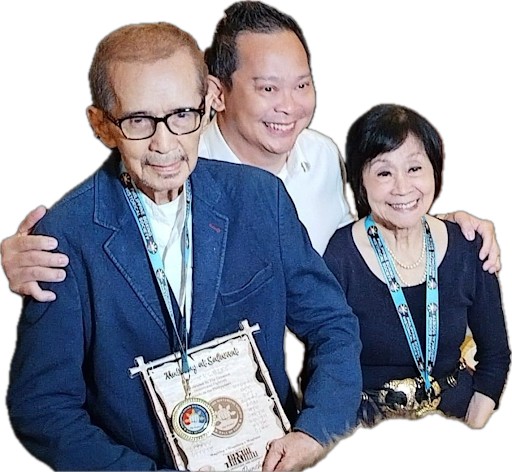
It was a thrill to meet some of those inductees who graced the occasion: Modesto Secuya, Cebu-based creator of PhilBoxing.com and PinoyGreats.com; Antonio Lopez Aldeguer, so-called Grandfather of Philippine Boxing and considered the greatest promoter of Philippine boxing; Recah Trinidad, great Filipino sports writer who came with his wife and partner in reporting, Fe, and his son, the famous sports reporter and now reporter of Filipino culture, Chino.
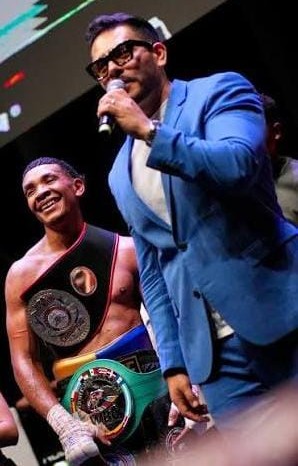
But the highlight was meeting our idol during my childhood in the 1990s and still in great shape and form, world champion Luisito “Lindol” Espinosa. He was not just inducted into the Hall of Fame, but they gave him a title belt, a replica of the one he had lost.
To remember those who were gone, a boxing bell was rung in silence. To entertain the living in between the tribute ceremonies, the painter of Pacquiao, Jun Aquino, brought out his Pilipinas Dream Team, who are lookalikes of famous people like Manny Pacquiao and Apl.de.Ap to the delight of the audience.
Before the ceremony ended, I also received my medal as a friend of the Philippine Boxing Hall of Fame, recognizing me for correcting the placement of the color blue in their logo, resembling the colors of the Philippine flag. I rarely get awards, so I treasure this. Obviously, I am not a sportsman, but as a Filipino, my interest was ignited. These boxers were like the old warriors who fought battles and used the sweet science of bruising to bring back “karangalan” to our country. They exemplify the very meaning of the word “valor.”